A 2026 IDWeek poster details how respiratory cultures and whole genome sequencing clarified a NICU MRSA outbreak, with targeted prevention measures followed by at least 6 months without additional bacteremias or related respiratory clusters.
Researchers recovered a carbapenemase-producing organism from the shaft of a hospital drain auger, prompting calls for standardized reprocessing protocols and further investigation into maintenance equipment as a potential source of environmental dissemination.
Clean Hospitals President Alexandra Peters, PhD, explains how training, meaningful support, and stronger collaboration with infection prevention teams can empower environmental services staff and strengthen patient safety.
For International Infection Prevention Week, Infection Control Today explores how prevention connects hospital departments with everyday community life and why infection preventionists (IPs), sterile processing department (SPD), professionals, and environmental services (EVS) teams deserve lasting support.
This week in infection prevention: Kenya's imported Ebola case showed how fever screening can miss an ill traveler, Florida's dengue outbreak reached 296 local cases, and new guidance underscores that missed surfaces and shared equipment fuel AMR risk. Our weekly roundup covers these stories and more.
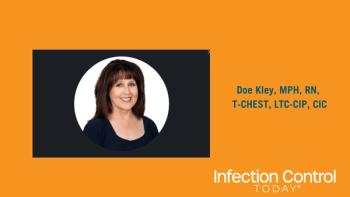
Doe Kley, MPH, RN, T-CHEST, LTC-CIP, CIC, discusses how environmental hygiene supports efforts to contain antimicrobial resistance, examining disinfectant efficacy, dilution failures, shared equipment, and the partnership between infection prevention and environmental services teams.
This week's coverage in Infection Control Today centered on a common thread: the systems, partnerships, and data that let infection prevention teams catch problems before patients are harmed.
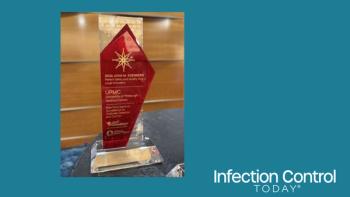
UPMC’s genomic surveillance initiative earned national recognition for patient safety. Alexander Sundermann, DrPH, CIC, FAPIC, AL-CIP, explains how the award could help infection preventionists secure leadership support and sustainable funding for earlier outbreak detection.