Artist and designer Matthew Caliman shares how personal loss inspired the Cleanup Crew, a handwashing education project using cartoon faucets, songs, and games to help families revisit an essential health message.
Turnover pressure can leave critical OR cleaning steps unfinished. Karen deKay, MSN, RN, EBP-C, CNOR, CIC, FAPIC, examines common gaps in environmental hygiene and how shared responsibilities, attention to disinfectant contact time, and ongoing education can help teams strengthen practices between cases.
Infection Control Today celebrates 30 years of covering the people, science, and challenges shaping infection prevention with another milestone: its first digital magazine, featuring outbreak analysis, biosecurity, respiratory testing, sterile processing, professional leadership, conference coverage, and more.
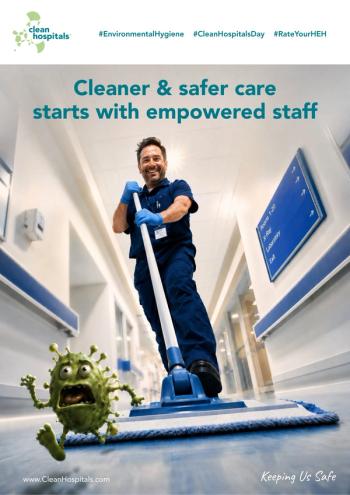
During National EVS Week, appreciation matters, but partnership matters more. Environmental services professionals bring infection prevention expertise and a unique understanding of the health care environment that can help identify barriers, improve cleaning and disinfection practices, and ultimately protect patients.
How do you celebrate an infection that never happened?
That's one of the unusual challenges infection preventionists share with teachers.
Both can spend their careers changing outcomes they may never see. Both educate people who don't always want to listen. Both are second-guessed. Both face burnout. And both must somehow keep remembering why they started.
In 1926, Karen Jones’s grandmother lost 5 children to measles in 8 days. A century later, Jones connects that devastating family history to vaccination, outbreak preparedness, and the role of infection preventionists in building trust.
What Were the Biggest Infection Prevention Stories This Week? Ebola's Outpaced Response, Lyme Coinfection Data, and Sterile Processing Burnout Explained, and more
The knowledge used to prevent infections can also be misused. Through a personal reflection on gaming, AI, and biological research, an infection preventionist explores why faster answers make human judgment, peer consultation, and accountability increasingly important.