|Articles|June 14, 2011

Ansell Provides Medical Gloves and Supplies to Tornado Relief Effort

In the aftermath of the deadliest single tornado to rip through the U.S. in nearly 60 years, an estimated 8,000 buildings in Joplin, Mo. have been destroyed, 116 people have been identified as dead and over 500 injured. The devastation propelled Ansell into action, donating protective supplies and equipment from all three of its business segments Medical, Industrial and Sexual Health and Well Being -- to Joplins relief efforts.

Ansells Industrial Division did its part by partnering with a mass merchandiser and Joplins fire department to provide thousands of cut-resistant and disposable gloves to the tireless volunteers and relief workers requiring protection from injury as they sifted through rubble looking for survivors.

Ansell's Medical Division responded by donating cases of exam and surgical gloves to Freeman Medical Center to help replenish its depleted supplies as they operated as the only open facility in the area. The need for medical gloves is crucial in any crisis to protect healthcare practitioners and volunteer workers from infectious bodily fluids as they assist in the treatment of the injured.

Ansells Sexual Health and Well Being Division led the relief effort as it was immediately alerted to the need for glove donations by a mass merchandisers corporate headquarters. This retailers sophisticated disaster relief response process enabled Ansell to dispatch gloves to one of their stores in Joplin the same day.

When disaster strikes so suddenly, communities are often overwhelmed with immediate needs, and the amount of other essential supplies destroyed in the disaster are often overlooked, says Patty Taylor, vice president of marketing, Medical Division, at Ansell. Whether its caring for the injured or cleaning up debris, we want to ensure healthcare providers, volunteers and residents have the best protective equipment to safely carry out their relief work.

Ansell is no stranger to disaster relief, having contributed to numerous aid efforts, including the earthquake in Haiti, Hurricane Katrina, the fires in Australia and the tsunami in Southeast Asia. As a global leader in the development of personal protection solutions, Ansell is dedicated to supporting relief efforts worldwide and to providing assistance to those directly impacted by crisis.


Related to this article

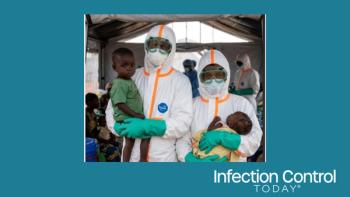
Infection preventionists in full PPE with children in DRC.  (Image credit: author with AI)
Nearly 4 months into the DRC's Bundibugyo virus disease outbreak, some indicators suggest transmission may be slowing. But shifting hotspots, treatment-center capacity problems, community deaths, and incomplete surveillance data show why national case totals alone cannot determine whether containment has been achieved.
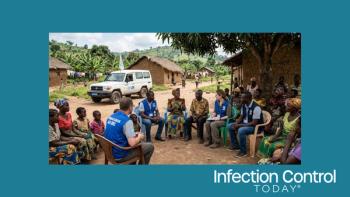
Health care workers from the US speaking with other health care workers in DRC.  (Image credit: author with AI)
Is the Ebola outbreak in the DRC getting better? The answer depends on which numbers you examine. Several important indicators are moving in the right direction, including slower case growth and a declining Rₜ. But major gaps remain in contact tracing, testing, community deaths, safe burial coverage, and treatment capacity in some of the hardest-hit areas. ICT takes a deeper look at the latest outbreak data and why the numbers suggest cautious optimism, not victory.
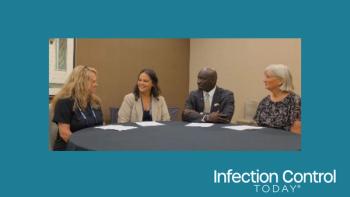
Dyan Troxell, MSN, RN, director of clinical education at HandCraft Linen Services; J.J. Odom, MBA, CHESP, CMIP, T-CHEST, university director of buildings and grounds for UConn Health and chair-elect of the AHE Board; and Jenna Rivers, MPH, CPH, CIC, manager of infection prevention and control at Moffitt Cancer Center in Tampa, Florida.
At AHE Exchange 2026, ICT spoke with experts representing commercial laundry services, EVS, and infection prevention about the systems behind a successful reusable linen program. They discuss linen quality, reject rates, unnecessary waste, frontline education, data, PAR levels, infection prevention oversight, and why strong relationships between health care facilities and their laundry providers matter.
A group of students raising their hands in class during a lecture  (Adobe Stock 292282454 by Mediteraneo
How do you celebrate an infection that never happened? That's one of the unusual challenges infection preventionists share with teachers. Both can spend their careers changing outcomes they may never see. Both educate people who don't always want to listen. Both are second-guessed. Both face burnout. And both must somehow keep remembering why they started.