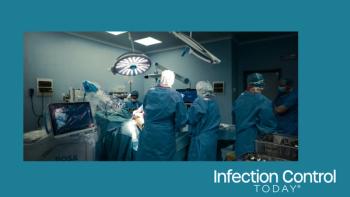
It seems imprudent to consider using sterile versus nonsterile gloves in a surgical procedure, as the decision could potentially impact postoperative infections and patient safety. Sterile gloves guarantee aseptic conditions, although at a significantly higher cost, while nonsterile gloves are more economical but may theoretically compromise aseptic conditions.
However, the safety of this intervention has been studied and established in the dermatological surgery literature for decades. This study aims to provide a comprehensive theoretical cost analysis of sterile versus nonsterile glove use in an established hair restoration practice, drawing on longstanding precedent and the extensive body of evidence on perioperative infection rates reported in the dermatological Mohs micrographic surgical literature.
Procurement of medical supplies constitutes a meaningful expense within medical practices. While essential for certain procedures, sterile gloves represent a significant cost. This analysis investigates the financial implications of substituting nonsterile gloves for sterile gloves when appropriate. This study will focus exclusively on the cost analysis of such an intervention within a cosmetic surgical practice. However, subsequent studies will be necessary to determine the safety of such intervention.
There is ample evidence of an evidence-based shift from sterile to nonsterile gloves, with no significant change in perioperative infection rates in the dermatological surgery literature and occasionally in other low-risk procedures, such as laceration repair. These findings are comparable to those in hair transplantation, where the blood supply reduces the risk of infection.1-3 This evolution has been driven by the aim of balancing the highest degree of patient safety with efficient management of operational expenses.
Sterile gloves have traditionally been reserved for use during sterile surgical procedures to mitigate the risk of postoperative infections, while nonsterile gloves have been used during examinations and nonsterile procedures, where a lower perceived risk of infection is present. While sterile gloves can ensure aseptic conditions, their significantly higher cost compared with nonsterile gloves has prompted a judicious evaluation of the evidence-based cost-benefit ratio of this measure. Extrapolating the assumptions learned from years of shifts in Mohs micrographic surgical practice, the prevailing theoretical assumption is that the scalp’s robust blood supply can inherently diminish the risk of infection.
This topic, well-explored in the dermatological surgery (Mohs surgery) literature, shows many practices now favor a “clean” over a sterile technique without compromising post-operative outcomes, thereby enhancing cost-effectiveness. The articles were selected for procedural similarity to surgical hair restoration, given the robust blood supply and the associated low infection rates of these procedures.
A 2006 study by Rhinehart et al. found no significant differences in infection rates between sterile and nonsterile gloves during Mohs excisions and reconstruction procedures. Of 1810 Mohs patients, 1239 met the study criteria; of these, only 25 infections were identified, all associated with cartilage fenestration and a secondary diagnosis of malignant melanoma, indicating no statistically significant difference between sterile and nonsterile gloves.4 Since this study, many practices have switched to using nonsterile gloves for these procedures, reporting comfort with the switch and no changes in postoperative course or patient care, all with a significant gain in cost-effectiveness.
While the switch from sterile to nonsterile gloves has been observed mainly within dermatological settings, the question has been raised across different surgical specialties. An article focused on complications in the emergency department when using sterile versus nonsterile gloves for repairing uncomplicated lacerations found no statistical difference in infection rates. This study included 816 individuals randomized to have their wounds repaired with either sterile or nonsterile gloves.3
Tatiana Humphreys, MD, et al, published a commentary article stating her practice changed to a “clean” technique rather than a sterile procedure because of the mounting body of evidence showing no significant difference in postoperative infection rates when using nonsterile vs. sterile gloves. The author states that she has adapted her practice to use nonsterile gloves for surgical reconstructions and reports significant cost savings, with no corresponding changes in postoperative infection rates or medical outcomes.2
Hair transplantation is an effective treatment for male pattern hair loss, also known as androgenetic alopecia. There are 2 general types of surgical techniques: Follicular unit extraction (FUE) and follicular unit grafting (FUG). Both procedures transplant hair follicles, typically from the occipital region of the scalp (and for FUE, occasionally from other areas of the body if needed), into the areas of concern. The FUE procedure is usually preferred, allowing for a high number of available donor grafts in combination with a better, more natural outcome and a less noticeable degree of scarring. The procedure, in general terms, involves harvesting the grafts, removal of skin and subcutaneous tissue from the donor strip or unit, and then the preparation of the recipient sites for graft implantation.
While no medical procedure is completely without risk, hair transplantation has a lower risk of associated postoperative infection and a minimal incidence of complications. Due to the robust blood supply of the scalp, there is often quick healing and an extremely low rate of postoperative infection, though complications may include bleeding, folliculitis, allergic reactions, telogen effluvium, also known as “shock loss,” ingrown hairs, infection, etc.5
Aside from mild discomfort, there is a risk of infection, graft dislodgement, and tissue loss, among other complications. In the author’s 10-year data collection involving 2,896 patients, no patients experienced major complications, and only minor complications were observed in 0.1% of patients. These minor complications mostly consisted of sterile folliculitis in around 200 patients.
The remainder of the complications included 26 unhappy patients and minor infections in 5 patients, 2 of whom were diabetic. Although this data pertains to 1 practice, it is generally true that most complications during hair transplantation are avoidable with a detailed medical history, careful examination and treatment of the donor and recipient areas, and proper postcare.1
The study focuses on a medical practice that orders 1400 pairs of sterile gloves of various sizes every other week.