DebMed®, the healthcare program of the Deb Group, a leader in providing innovative skin care programs for all types of public and workplace environments, is urging better, more frequent handwashing as the first line of defense against the current flu epidemic. According to the Centers for Disease Control and Prevention (CDC), deaths in the current flu season have officially crossed the line into "epidemic" territory and 47 states now have widespread outbreaks of the influenza virus.Â
"With this year's flu epidemic in full force, we are urging everyone to take all of the necessary precautions to guard against the flu and to prevent its spread, including getting a flu shot and practicing proper hand washing," says Paul Alper, vice president strategy and business development for DebMed and 30-year veteran of the hand hygiene industry. "Frequent hand washing is the first line of defense against infection and illness, especially during the winter flu season."
The single best way to prevent seasonal flu is to get vaccinated each year, and the CDC has noted that this year's vaccine is "moderately" effective with a 62 percent rating; effectiveness typically ranges from 50 percent to 70 percent. Aside from the vaccine, proper handwashing is essential, according to the CDC.
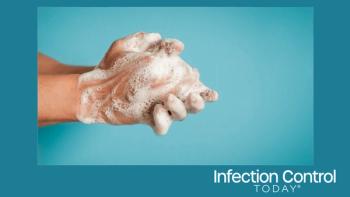
What is the right way to wash your hands?
 Wet your hands with clean, running water (warm or cold) and apply soap
 Rub your hands together to make a lather and scrub them well; be sure to scrub the backs of your hands, between your fingers and under your nails
 Continue rubbing your hands for at least 20 seconds. Need a timer? Hum the "Happy Birthday" song from beginning to end twice
 Rinse your hands well under running water
 Dry your hands using a clean towel or air dry them
If soap and water are unavailable, use an alcohol-based hand sanitizer that contains at least 60 percent alcohol to clean hands.
Other flu precautions include good health habits like covering your mouth when coughing. To help battle the flu, here are five more quick tips from DebMed based on information from the CDC and Blue Cross Blue Shield of Massachusetts:
 Avoid close contact: Avoid close contact with people who are sick. When you are sick, keep your distance from others to protect them from getting sick too.
 Stay home when you are sick: If possible, stay home from work, school and errands when you are sick. You will help prevent others from catching your illness.
 Cover your mouth and nose: Cover your mouth and nose with a tissue when coughing or sneezing. Throw out the tissue in the nearest wastebasket and immediately wash hands or use a hand sanitizer.
 Avoid touching your eyes, nose or mouth: Germs are often spread when a person touches something that is contaminated with germs and then touches his or her eyes, nose or mouth before handwashing.
 Practice other good health habits: Clean and disinfect frequently touched surfaces at home, work or school, especially when someone is ill.
DebMed is the creator of an electronic hand hygiene compliance monitoring system based on the World Health Organization (WHO)'s "Five Moments for Hand Hygiene" and is now the only hand hygiene system that meets the WHO's "Save Lives: Clean Your Hands" recommendation. DebMed GMS encourages increased hand hygiene among hospital staff, thereby reducing the risk of spreading the flu virus and other infectious diseases between patients and improving patient safety and care.
Â