
Knowing the protocol is only the beginning. In The Clean Bite, Sherrie Busby explores how explaining the why, addressing staff concerns, and creating clear procedures can help dental teams make infection control part of everyday practice.
Sherrie Busby's 30 years of extensive experience and education in the field make her a valuable resource for dental assistants seeking to enhance their skills and advance their careers. She works closely with dental assistants to provide them with comprehensive training on a wide range of topics, including clinical techniques and comprehensive infection control, dental software with AI, and documentation guidelines.
Knowing the protocol is only the beginning. In The Clean Bite, Sherrie Busby explores how explaining the why, addressing staff concerns, and creating clear procedures can help dental teams make infection control part of everyday practice.
What are the most common infection control violations in dental practices? This article explains why hand hygiene, improper PPE use, and failure to wear utility gloves continue to challenge dental teams and offers practical, evidence-based strategies to improve OSHA adherence, strengthen infection prevention practices, and enhance patient and staff safety.
The Clean Bite's Sherrie Busby and Becki McFadden write on how proper PPE use in dental settings reduces infection risk from aerosols and sharps, protecting providers and patients through consistent use of masks, gloves, face shields, and protective apparel.
Sherrie Busby, steps out of dental IPC to highlight infection control risks in Alzheimers care, including UTIs, C difficile, and hygiene practices. Practical tips on handwashing, PPE, and environmental cleaning emphasize protecting vulnerable patients while supporting caregivers’ health and resilience in home settings and safety outcomes.
Why small lapses in cleaning can lead to significant infection control consequences—and how dentistry can close the gaps.
Cold, flu, RSV, and COVID-19 are still circulating, but many people have stopped paying attention. This article breaks down how to recognize the differences between common respiratory illnesses, explains overlapping symptoms, and outlines practical steps health care and dental professionals can take to reduce transmission. From hand hygiene and masking to staying home when sick and vaccination awareness, the piece reinforces why everyday prevention still matters during respiratory virus season.
When infection control slips, the consequences can be serious: patient harm, staff illness, fines from OSHA/local inspectors, and damage to your reputation. That’s why training isn’t optional; it’s essential.
Sherrie is back! In this The Clean Bite, she discusses single-use vs Resusable Dental Supplies. Ultrasonic scaler tips, burs, and endodontic files are often reused despite being marketed as single-use. How many patients are at risk from shortcuts in reprocessing?
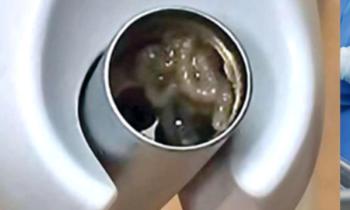
Hey Clean Biters! What’s flowing through your lines? Make DUWL safety automatic: appoint a Safety Officer, write a one-page SOP, treat daily, shock monthly, test quarterly, and document <500 CFU/mL. Grab the log—clean water, every patient, every time.
Want dental assistants who don’t just know infection control, but live it from day one? Tune in to The Clean Bite and learn how powerhouse instructor Samantha Mangioni is shaping the next generation to protect every patient, every time.
Patients rarely question sterilization protocols at the dentist, yet it is essential for safety. The Clean Bite explores why asking matters, what to look for, and how to start the conversation confidently.
Dental infection control expert Sherrie Busby tackles PPE missteps, from chin-bra masks to cropped lab coats, reminding dental teams that proper protection is crucial, not optional.
It’s a familiar request at the dentist—“close your lips around the suction.” But that small act could expose you to backflow contamination from previous patients. This first article in a brand new column by Sherrie Busby, EDDA, CDSO, CDIPC, explores the unseen risks of dental suction devices—and why patients should pause before obeying.

