News|Videos|July 31, 2025

Bug of the Month: Ancient Threats Still Linger

The Bug of the Month helps educate readers about existing and emerging pathogens that are clinically important in today's health care facilities.

Bug of the Month helps educate readers about existing and emerging pathogens of clinical importance in health care facilities today. Each column explores the Bug of the Month's etiology, the infections it can cause, the modes of transmission, and ways to fight its spread. The pathogen profiles will span bacterial, viral, fungal, and parasitic species. We encourage you to use Bug of the Month as a teaching tool to help educate health care personnel and start a dialogue about microbiology-related imperatives.


Click here to guess the July/August 2025 Bug of the Month!

Related to this article

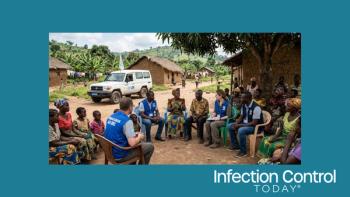
Health care workers from the US speaking with other health care workers in DRC.  (Image credit: author with AI)
Is the Ebola outbreak in the DRC getting better? The answer depends on which numbers you examine. Several important indicators are moving in the right direction, including slower case growth and a declining Rₜ. But major gaps remain in contact tracing, testing, community deaths, safe burial coverage, and treatment capacity in some of the hardest-hit areas. ICT takes a deeper look at the latest outbreak data and why the numbers suggest cautious optimism, not victory.
A group of students raising their hands in class during a lecture  (Adobe Stock 292282454 by Mediteraneo
How do you celebrate an infection that never happened? That's one of the unusual challenges infection preventionists share with teachers. Both can spend their careers changing outcomes they may never see. Both educate people who don't always want to listen. Both are second-guessed. Both face burnout. And both must somehow keep remembering why they started.