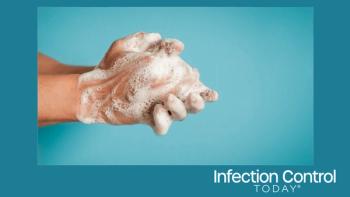
The National University Hospital in Singapore routinely undertakes standardized hand hygiene auditing with results produced by ward and by staff type. In 2010 concern was raised over consistently low compliance by nursing students averaging 45 percent (95%CI 42%-48%) prompting the hospital's clinical experts to explore novel approaches to educating the next generation of nurses to improve their hand hygiene practice.
Salmon, et al. (2013) describe the introduction of an experiential learning assignment to final-year student nurses on attachment to NUH inclusive of hand hygiene auditor training followed by a period of hand hygiene observation. The training was based on the World Health Organization (WHO)'s "5 moments for hand hygiene" approach. Upon completion students completed an anonymous questionnaire to evaluate their learning experience. By 2012, nursing students were 40 percent (RR: 1.4, 95%CI 1.3-1.5, p<0.001) more likely to complied with hand hygiene practices; 97.5 percent (359/368) of nursing students felt that the experience would enhance their own hand hygiene practice and would recommend participating in audits as a learning instrument.
The researchers say that experiential learning of hand hygiene was a highly valued educational tool and in their project, it was directly associated with improved hand hygiene compliance. They add that feedback demonstrated popularity among participants and success in achieving its program objectives; while this does not guarantee long-term behavioral change it is intuitive that instilling good habits and messages at the early stages of a career will potentially have significant long-term impact. Their research was published in Antimicrobial Resistance and Infection Control.Â
Reference: Salmon S, Xiao Wang XB, Seetoh T, Lee SY and Fisher DA. A novel approach to improve hand hygiene compliance of student nurses. Antimicrobial Resistance and Infection Control 2013, 2:16 doi:10.1186/2047-2994-2-16
Â