|Articles|December 9, 2011

FDA and Partners Working to Prevent Surgical Fires

The Food and Drug Administration (FDA) is building a coalition of public and private healthcare organizations to prevent a medical error the surgical fire. A surgical fire is a fire that occurs in, on or around a patient undergoing a medical or surgical procedure.  An estimated 550 to 650 surgical fires happen every year in U.S. operating rooms. Some of the fires cause disfiguring second- and third-degree burns. If the fire occurs in the patient's airway, it can be fatal.

Recently there have been news reports about two patients who received serious facial burns from surgical fires. FDA's Preventing Surgical Fires Initiative (www.fda.gov/preventingsurgicalfires) is a collaborative effort to increase awareness of the risk of these fires and to encourage surgical personnel to work together to adopt practices that will prevent them from occurring. The initiative partners include associations that represent members of surgical teams, healthcare facilities, and healthcare engineering and patient safety organizations.


Related to this article

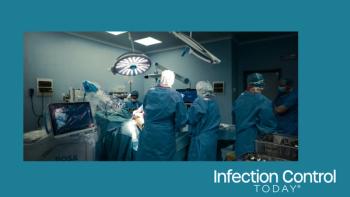
A brightly lit Hospital operating room, a surgical team wearing gowns and masks.  (Adobe Stock 1790696595 by Damian)
Turnover pressure can leave critical OR cleaning steps unfinished. Karen deKay, MSN, RN, EBP-C, CNOR, CIC, FAPIC, examines common gaps in environmental hygiene and how shared responsibilities, attention to disinfectant contact time, and ongoing education can help teams strengthen practices between cases.
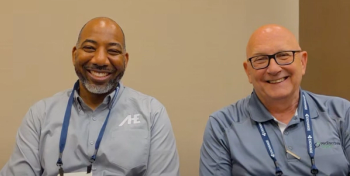
Donald Sipp, Jr, MBA, RESE, CHESP, CHTI-2, CMIP, PMP, and David Green  (Image credit: author)
“Cutting” waste shouldn’t mean cutting people. At AHE Exchange26, David Green and Donald Sipp explored how EVS departments can improve performance by strengthening workplace culture, empowering employees, eliminating inefficient processes, and understanding EVS’s critical role in patient throughput. One case study showed bed turnaround times falling from nearly 2 hours to less than an hour, but the larger lesson wasn't simply about speed. High-performing EVS operations begin with a strong foundation.