UPMC Presbyterian Hospital's infection prevention teams have improved handwashing and sanitizing compliance at the hospital to nearly 100 percent among clinical staff through accountability and educational measures. In a separate effort at UPMC Mercy Hospital, rates of a deadly infection were reduced by educating patients about hand hygiene.
The successful techniques will be reported Saturday in presentations in Philadelphia at IDWeek 2014, an annual meeting of infectious disease professionals.
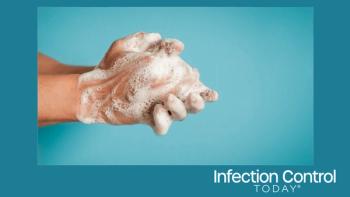
"Hand hygiene compliance in healthcare facilities nationwide is not satisfactory, yet is the single most important way to prevent infections," says senior author Carlene Muto, MD, MS, medical director for infection control at UPMC Presbyterian Hospital.
According to the Centers for Disease Control and Prevention, U.S. hospital patients contract an estimated 722,000 infections each year.
Since June 2012, an initiative called Just Culture at UPMC Presbyterian, has affected behavior and changed attitudes. Through a coordinated program that includes education, videos, internal newsletter articles, posters and verbal reminders, healthcare personnel are held accountable for conscious disregard of patient safety, including hand hygiene. They are not held accountable for system failures. Staff who fail to wash or sanitize their hands are warned and progress through disciplinary action for continual disregard for hand hygiene.
Within four months of launching the Just Culture initiative, hand hygiene compliance rates at UPMC Presbyterian increased from 70 percent to 99 percent. Since then, the near-perfect rates have been maintained with re-education and the cultural shift to accountability.
"Hand hygiene can be increased with educational campaigns, but we've found that these gains can only be sustained when a health system makes it unacceptable to be lax on handwashing," says lead author Ashley Querry, infection prevention coordinator at UPMC Presbyterian.
At UPMC Mercy, infection preventionists led another study to determine the effectiveness of efforts to encourage hand hygiene among patients.
Pre-packaged alcohol wipes were made available at patients' bedsides and healthcare staff reminded, assisted and encouraged patients to use the wipes.
Rates of C. difficile, an antibiotic-resistant bacteria that causes inflammation of the colon and can be deadly, fell significantly after the patient encouragement program was implemented.
"These results show that patient hand hygiene can be improved with easily implemented measures that have very meaningful and potentially life-saving consequences," says lead author Marian Pokrywka, MS, infection preventionist at UPMC.
Source: UPMC