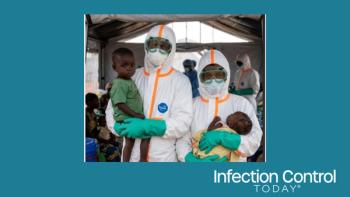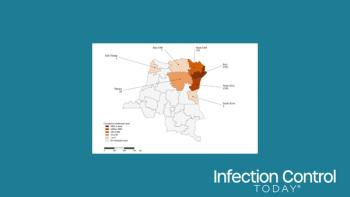
High contact follow-up rates suggest progress, but who is being missed? Inside the DRC’s Ebola response, shortages, strained treatment centers, and gaps in community trust reveal a more complicated story.
Just in time for cold and flu season, Intelligent Healthcare Displays (IHD) introduces innovative and stylish high-quality products that help prevent the spread of infectious diseases in settings such as schools, offices, hospitals and many other public spaces.Â
IHD's new collection helps public facilities bring awareness to germ protection and fight the spread of bacteria, viruses and diseases on multiple levels by providing an array of attractive, convenient and affordable commercial-grade infection prevention stations and slim-profile wall units that encourage hygiene etiquette by dispensing preventive supplies such as masks, sanitizers and tissues.
Other new products include educational posters that use humor and iconic images to educate adults and inspire children to wash their hands and take other germ-fighting precautions. Amusing new designs include Honest Abe Lincoln, Uncle Sam and Napoleon, reminding patients and doctors alike to stop the spread of germs. All of IHD's posters are available in multiple sizes to fit IHD frames and hygiene etiquette stations.
IHD is flexible in meeting customers' unique requirements for many products and can modify most items to accommodate a wide variety of sanitizers.
"Our custom expertise allows us to modify existing IHD products based on customers' requests," says IHD president Lee Sachnoff. "Examples would be creating a double-sided station from our existing single-sided option, adding brochure or literature pockets, adding casters to a floor station, personalizing our hygiene etiquette posters or modifying our tamper-resistant dispensers to fit their products."
As IHD's product line is expanding, so is its customer base. "In the beginning, the majority of our customers were hospitals," says Sachnoff. "Now, we're seeing the addition of schools, teachers, school nurses, law firms, healthcare motivational speakers, government agencies, military bases, dentists' offices, nursing homes, American Indian reservations, rehabilitation centers, universities, large corporations and individuals."
Today, sanitizing stations can be found in most public places. IHD's line of tamper-resistant, high-quality products are designed to meet the growing need for infection control stations and education.
For more information, visit http://www.ihdisplays.com or call (888) 861-6281.