

News|Videos|December 12, 2023
Infection Control in Dialysis: Insights for Safeguarding Patients' Lives
Author(s)Sponsored by Angelini Pharma, Inc.
Gail Dewald, BS, RN, CNN and Tanya Scott MSN, RN, CNN, VA-BC™ discuss the prevalence, causes, and crucial infection control measures in dialysis clinics to safeguard patients' lives.
Advertisement
Episodes in this series

Infection Control Today® “Expert PerspectivesTM series titled “Expert Perspectives on the Prevention of Dialysis Related Infections.”
Panelists:
Gail Dewald, BS, RN, CNN
Nephrology Nurse Consultant
San Antonio, Texas
Tanya Scott MSN, RN, CNN, VA-BC™
St Luke’s Health
Houston, Texas
Program Description:
Experts in dialysis and nephrology discuss the current prevalence of dialysis related infections and provide strategies for their prevention; highlighting sanitation practices and protocols that can be employed to effectively reduce their occurrence.
Advertisement
Related to this article

What happens when one disinfectant cannot satisfy every IFU? At AHE in New Orleans, Diane Cullen discusses weighted risk assessment, documenting difficult decisions, and why infection prevention and EVS need to work together.

Turnover pressure can leave critical OR cleaning steps unfinished. Karen deKay, MSN, RN, EBP-C, CNOR, CIC, FAPIC, examines common gaps in environmental hygiene and how shared responsibilities, attention to disinfectant contact time, and ongoing education can help teams strengthen practices between cases.

A patient with fever and no recent travel could still have dengue. Florida’s local transmission highlights why clinicians and infection preventionists should look beyond travel history and recognize warning signs.
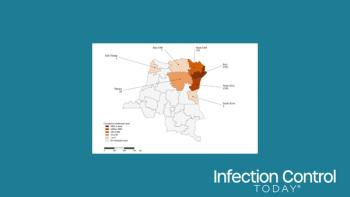
High contact follow-up rates suggest progress, but who is being missed? Inside the DRC’s Ebola response, shortages, strained treatment centers, and gaps in community trust reveal a more complicated story.
Sterile processing professionals face constant interruptions, cognitive overload, increasingly complex devices, and hundreds of IFUs. Randalyn Harreld, CRCST, FHSPA, explains why health care organizations must address the human factors behind SPD performance rather than expecting frontline professionals to simply absorb ever-increasing complexity.
Long-acting HIV therapies promise greater convenience, but fewer doses alone may not solve adherence or access challenges. Lloyd Bibby and Pooja Goyal, MS(Pharm), discuss patient choice, weekly oral and injectable therapies, health system capacity, equitable access, and the real-world measures that will define success.
This week on Infection Control Today, the stories ranged from emerging drug-resistant pathogens circling the globe to a landmark decade of surface science—all against a backdrop of ongoing outbreaks and a hard look at what the profession owes its own workforce.
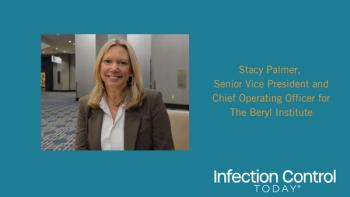
At AHE 2026 in New Orleans, The Beryl Institute's Stacy Palmer discussed 8 guiding principles for experience excellence and why EVS professionals influence far more than environmental cleanliness. Their interactions, workplace culture, and connection with patients help shape the overall human experience of health care.
Advertisement
Advertisement
Trending on Infection Control Today
1
When the Ebola Outbreak is Spreading Faster Than the Response Can Follow
2
Pathogen Pulse: The Alarming Rise of Dengue in Florida
3
Sterile Processing Burnout and Cognitive Overload: How Interruptions, IFUs, and Human Factors Affect Patient Safety
4
How Can OR Teams Improve Environmental Cleaning Between Surgical Cases?
5