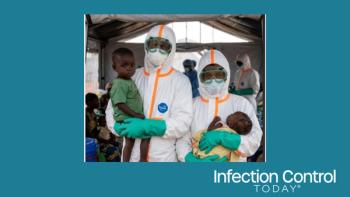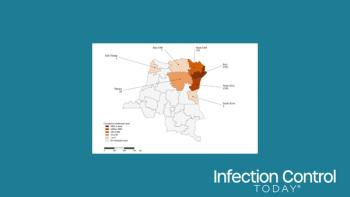
High contact follow-up rates suggest progress, but who is being missed? Inside the DRC’s Ebola response, shortages, strained treatment centers, and gaps in community trust reveal a more complicated story.
PurThread Technologies, Inc. and Eastman Kodak Company are collaborating to bring Kodak's antimicrobial agent to the high-performance and medical textile markets.
PurThread has obtained a globally exclusive agreement to embed Kodak's antimicrobial agent into textile materials. PurThread's 2013 TechAmerica Award-winning process embeds Kodak's antimicrobial agent into synthetic fibers, before the fiber is spun into yarn and woven into fabric, ensuring that the antimicrobial effects of the fabric are uniform and constant throughout the life of the product. This proprietary antimicrobial technology is derived from Kodak's longtime expertise related to the production of photosensitive materials for use in the production of photographic products.
Currently, PurThread's product line includes healthcare textiles, such as medical scrubs, lab coats, privacy curtains and linens, as well as fitness apparel, like polo shirts and base layers. The company is also partnering with leaders in the textile industry to manufacture its products and bring this next-generation technology to discerning consumer brands.
"We are extremely pleased with the efficacy of Kodak's antimicrobial agent and their stewardship in the development of our textile technology," says Lisa Grimes, president and CEO of PurThread Technologies. "With Kodak's superior technology, our products have delivered consistently high marks for effectiveness in protecting fabrics from odor-causing organisms. We look forward to continuing research into how our textile products can play a part in comprehensive infection control strategies."
"The antimicrobial technology sector is an exciting new venture for Kodak," says Tom McHugh, general manager of materials technology and business development for Kodak's Digital Printing & Enterprise segment. "Because of PurThread's unique manufacturing process and expertise in the textile industry, we are delighted to be working with them to bring to market products using our propriety materials and technology. We look forward to building on this relationship with PurThread."
A double-blind randomized controlled trial published in December found that PurThread privacy curtains resisted contamination seven times longer than control curtains which were also eight times more likely to be contaminated with vancomycin-resistant Enterococci (VRE), compared to PurThread's curtains.
Source: PurThread Technologies Inc.