This Thanksgiving, Infection Control Today recognizes infection preventionists, sterile processing professionals, environmental services teams, and health care colleagues for their dedication to protecting patients and supporting one another.
A blood test called beta-D-glucan helps doctors detect serious fungal infections. A new study presented at IDWeek 2026 found that in patients who had recently received immunoglobulin therapy (IVIG), about half of positive results were false alarms, especially 10 to 20 days after treatment.
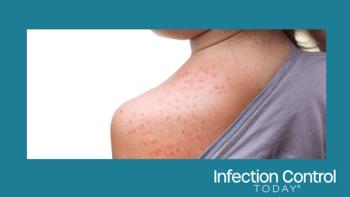
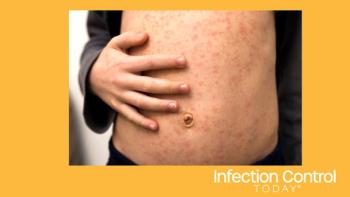
This analysis examines the reported loss of US measles elimination status, declining vaccination coverage, policy developments, and the implications for infection preventionists managing exposure risks and preparing health care facilities.
At a Cepheid-sponsored IDWeek 2026 symposium, Donna M. Wolk, MHA, PhD, D(ABMM, encouraged teams to examine return visits, emergency care, and hospitalizations alongside testing costs. Her discussion also explored local epidemiology, patient selection, and the connection between diagnostics and infection prevention.
Ramanathan Dhakshinamoorthy explains how cleaning validation shapes medical device IFUs, why precise parameters matter, and how manufacturers and sterile processing teams can address challenges in device design and reprocessing workflows.
Diagnostic uncertainty, time pressure, and perceived patient expectations can influence antibiotic prescribing. This Q&A explores how clearer communication, diagnostic tools, and practical follow-up plans can support outpatient stewardship.
Willingness to vaccinate can stall at the appointment stage. This Q&A explores how local data, community partnerships, and easier access can help close measles vaccination gaps and track equitable progress.
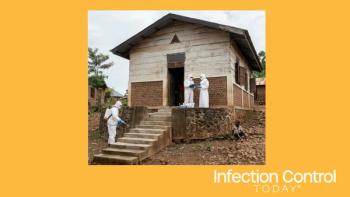
Six months into the DRC’s Ebola outbreak, violence, unpaid wages, and community resistance continue to disrupt care and contact tracing. This commentary examines the human cost and the work needed to reach affected communities.