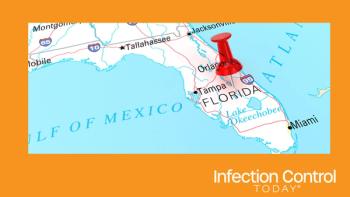
Florida’s dengue outbreak highlights the importance of recognizing symptoms, identifying warning signs, and preventing mosquito bites. Ubong Johnson, MD, explains local transmission, diagnostic testing, treatment, and practical prevention measures.
WASHINGTON -- According to a study in the May 23, 2003 Morbidity and Mortality Weekly Report (MMWR) from the Centers for Disease Control and Prevention (CDC), despite the availability of a safe, effective and inexpensive vaccine for 40 years, measles remains the leading cause of vaccine-preventable deaths in children. The report is titled, "Update: Global Measles Control and Mortality Reduction -- Worldwide, 1991-2001."
Measles was responsible for 770,000 deaths globally in 2000. Of these measles-associated deaths, 98 percent occurred in the 75 countries with gross domestic products of less than $1,000 per capita, and 58 percent occurred in the WHO region of Africa.
According to the report, reducing the high burden of measles will require a comprehensive approach. Affected countries will need to achieve high coverage in each district and nationally with the first dose of measles vaccine administered through routine services to children (who are nine months of age or shortly thereafter). This approach should be followed with a second opportunity for measles immunization for all children, the establishment of effective surveillance for measles, and improved case management.
Source: CDC