|Articles|July 22, 2013

Medline Honored by Novation as Medical-Surgical Distributor of the Year

Medline Industries, Inc. announces it has been named Medical-Surgical Distributor of the Year by Novation, a leading healthcare supply chain expertise, analytics  and contracting company for the members of  VHA, UHC, Childrens Hospital Association and Provista LLC.

The award, recently presented at Novations annual Supplier Summit, recognized Medline for the customer service and value it offers healthcare organizations.

We are pleased to honor Medline as well as our other suppliers who went above and beyond to provide superior customer service and industry-leading value to the members we serve, says Pete Allen, senior vice president of sourcing operations at Novation.

We are honored to be recognized by Novation for providing outstanding value and effective distribution services to help drive efficiencies in the supply chain, says Scott Simonson, Medlines vice president of national accounts.


Related to this article

Image of Pathogens flying   (Adobe Stock weerasak)
Behind every landmark in infection prevention, from antimicrobial stewardship guidelines to the COVID-19 town halls that reached flight attendants and teachers, is a generation of physician-scientists who led SHEA through crises, organizational change, and scientific breakthroughs. Infection Control Today traces 30 years of SHEA presidents and the lasting mark they left on the field.

A brightly lit Hospital operating room, a surgical team wearing gowns and masks.  (Adobe Stock 1790696595 by Damian)
Turnover pressure can leave critical OR cleaning steps unfinished. Karen deKay, MSN, RN, EBP-C, CNOR, CIC, FAPIC, examines common gaps in environmental hygiene and how shared responsibilities, attention to disinfectant contact time, and ongoing education can help teams strengthen practices between cases.
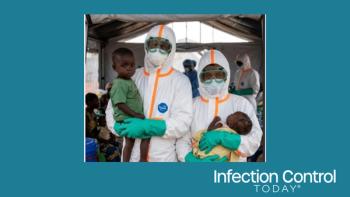
Infection preventionists in full PPE with children in DRC.  (Image credit: author with AI)
Nearly 4 months into the DRC's Bundibugyo virus disease outbreak, some indicators suggest transmission may be slowing. But shifting hotspots, treatment-center capacity problems, community deaths, and incomplete surveillance data show why national case totals alone cannot determine whether containment has been achieved.