When most people hear the phrase "Bourbon tick," they might think it sounds like a joke involving Kentucky whiskey. In reality, Bourbon virus is a rare but potentially serious tickborne disease that has drawn increasing attention from researchers and public health officials as its geographic range appears to expand. Unfortunately, for one man recently diagnosed with Bourbon virus infection, the illness was anything but humorous.
New York’s first confirmed case of the severe Bourbon virus was Michael Larkin, a man from Long Island, who contracted the illness in 2021 from a tick bite in his backyard, the primary vector of the virus.
Larkin experienced severe symptoms such as intense headaches, persistent night sweats, and fluctuating fevers, prompting him to seek emergency medical attention. Initial laboratory tests revealed elevated liver enzymes and critically low platelet counts, but tests for Lyme disease returned negative. Medical teams conducted a spinal tap and administered intravenous antibiotics, yet no definitive diagnosis was made before his discharge. To uncover the cause, Larkin participated in a continuous tick-bite research initiative at Stony Brook University led by infectious disease specialist Luis Marcos, MD, MPH, an associate professor of medicine.
Over 5 years, Marcos obtained approximately 100 blood samples from hospitalized patients presenting with unexplained fevers, recent tick bites, and low platelet counts. These samples were recently examined by the New York State Department of Health, which officially confirmed that Larkin had contracted the Bourbon virus. The findings were published in The American Journal of Tropical Medicine and Hygiene in May 2026.
Although Bourbon virus remains rare, public health officials and researchers are paying increasing attention to this emerging tickborne disease as its geographic range appears to expand across parts of the US. The virus can cause severe illness, hospitalization, and in some cases, death, yet many health care professionals and members of the public remain unfamiliar with it.
The virus, which belongs to the Thogotovirus group, was first identified in 2014 after the death of a resident of Bourbon County, Kansas, who became ill following tick exposure. According to the CDC, the Bourbon virus was named after the county where the first known patient was diagnosed. Since then, a limited number of cases have been identified in several states, primarily in the Midwest and South. (Slideshow)
Researchers believe the lone star tick (Amblyomma americanum) is the primary vector responsible for transmission. Evidence supporting this connection was strengthened by a 2023 study published in Emerging Infectious Diseases, which detected Bourbon virus in field-collected Lone Star ticks in Missouri.
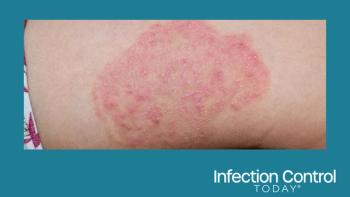
The disease often presents with symptoms that resemble many other tickborne illnesses, making diagnosis challenging. According to the CDC, patients may develop fever, fatigue, headache, muscle aches, nausea, vomiting, and rash. Laboratory findings commonly include low white blood cell counts and low platelet counts. Unlike bacterial tickborne infections such as ehrlichiosis, patients infected with Bourbon virus typically do not improve with doxycycline, a common first-line treatment for many tickborne diseases.
One reason the Bourbon virus remains concerning is the lack of a specific treatment. The CDC notes, "There is no specific treatment for Bourbon virus disease; clinical management is supportive." Patients with severe illness may require hospitalization and intensive supportive care while clinicians manage complications.
Although confirmed cases remain uncommon, experts believe the virus may be more widespread than previously recognized. A 2024 CDC investigation found evidence of human Bourbon virus infections in North Carolina, expanding the known geographic footprint of the disease and suggesting that infections may be underdiagnosed.
Researchers continue to study how the virus circulates in nature and how often human infections occur. Recent studies have detected Bourbon virus in both Lone Star ticks and Asian longhorned ticks, reinforcing the need for continued surveillance and research.
For health care professionals, awareness is critical. Patients presenting with unexplained fever, fatigue, cytopenias, and a history of tick exposure may warrant consideration of Bourbon virus, particularly when routine testing is negative, and symptoms fail to improve with standard antibiotic therapy.
For the public, prevention remains the best defense. The CDC recommends avoiding tick bites by using Environmental Protection Agency-registered insect repellents, wearing long sleeves and pants when outdoors, performing thorough tick checks after outdoor activities, and showering soon after spending time in wooded or grassy areas.
As tick populations continue to expand throughout much of the US, emerging pathogens like Bourbon virus serve as a reminder that new infectious disease threats continue to emerge alongside familiar ones, such as Powassan virus, which has recently hospitalized a 66-year-old man for weeks in New Hampshire.
The name may sound amusing, but the Bourbon virus is no laughing matter. For patients, clinicians, and public health officials alike, increased awareness may be one of the most important tools available until better diagnostics, treatments, and surveillance systems are developed.