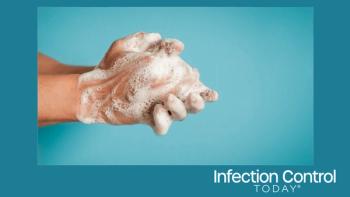
Handwashing with soap can reduce the number of pneumonia-related infections in children under the age of 5 by more than 50 percent, according to a study published in The Lancet. The research, conducted in Pakistan by the Centers for Disease Control and Prevention (CDC) and P&G Beauty, a division of The Procter & Gamble Company (P&G), is the first field study to show that handwashing can help prevent pneumonia, the leading killer of children under age 5 worldwide.
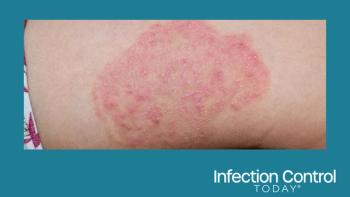
The study in The Lancet's July 16 edition, also showed that handwashing with soap significantly reduced the number of diarrheal infections, the second leading cause of death in children under age 5. In addition, there was a 47 percent reduction in the prevalence of impetigo, a skin infection, in children who bathed daily with soap.
"Handwashing with soap is a something that is within the reach of hundreds of millions of at-risk families worldwide," said Dr. Stephen Luby, the study's lead investigator and a medical epidemiologist at CDC. "This research can be used by families worldwide to greatly improve the health and save the lives of their children."
Acute respiratory infections account for an estimated 2 million children's deaths a year. Nearly 75 percent of those who die are less than a year old. Approximately 5 to 10 percent of all children living in developing countries under the age of 5 develop pneumonia each year. When combined, diarrhea and acute respiratory tract infections, both prevalent in low-income communities, kill an estimated 4 million children under the age 5 each year.
"Many people, even in well-developed countries like the United States, do not realize that they should wash their hands with soap and water for at least 15 seconds, and that water alone is not as effective," said Tim Long, Ph.D., a principal scientist with P&G Beauty, which provided the soap used in the study. "Parents should encourage children to wash their hands with soap and water as long as it takes them to sing their ABCs."
The study conducted in Karachi, Pakistan, was designed to measure the health impact of improving hand washing and bathing with soap in low-income communities with highly polluted environments. The study examined more than 900 households in squatter settlements over a one-year period ending in March 2003. Approximately 600 households received a regular supply of soap; half received plain soap and half received antibacterial soap. A 300-household control group received school supplies.
Field workers visited households weekly for one year to encourage handwashing by residents in soap households and to record disease symptoms in all households. Teaching proper handwashing and bathing techniques to study participants was a critical part of the research.
Researchers found that incidence of disease did not differ significantly between households given plain soap versus antibacterial soap. The mechanical activity of vigorous hand washing with soap removes dirt and pathogens from hands, and is the primary factor in prevention of disease. It's important to note researchers did not expect to see any advantage in using antibacterial soap against diarrhea and pneumonia.
"This research is meaningful for all societies. However, particularly in developing countries where mothers may be uneducated and environmental hygienic conditions unsatisfactory, simple handwashing with soap has proven to be a cost effective public health intervention," said the study's co-investigator Dr. Mubina Agboatwalla, of the Health Oriented Preventative Education (HOPE) Center. The HOPE Center is a local non-governmental organization in Karachi, Pakistan, that performed the health education for study participants and collected the data during regular home visits.
Source: CDC