This week's coverage in Infection Control Today centered on a common thread: the systems, partnerships, and data that let infection prevention teams catch problems before patients are harmed.
The Office of Healthcare Quality (OHQ) and the U.S. Department of Health and Human Services Partnership for Patients have created the
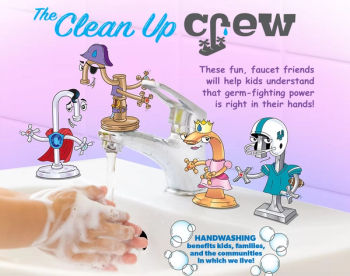
The WAVE campaign directs patients and their family members to wash hands, ask questions, vaccinate and ensure safety. The campaign provides several free tools including a wallet card, brochure and posters.
The WAVE campaign encourages the following:
W" Wash hands
Wash or clean hands before, during, and after visiting a healthcare facility.
A Ask questions
Ask questions of doctors, nurses, and other healthcare providers. You can improve your loved one's care by taking an active role. Speak up if anything concerns you or you dont understand the answers you receive.
V Vaccinate
Vaccinate against the flu each year, unless otherwise directed by your doctor or other healthcare provider. Ask friends and family members who are sick to not visit the hospital.
E Ensure safety
Ensure safety by not touching medical equipment unless absolutely necessary. Work with healthcare providers to make sure catheters and other medical devices are properly maintained and removed promptly.