What Were the Biggest Infection Prevention Stories This Week? Ebola's Outpaced Response, Lyme Coinfection Data, and Sterile Processing Burnout Explained, and more
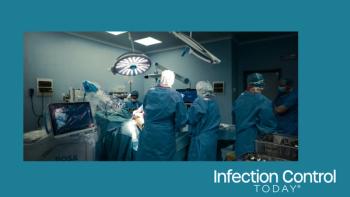
The Association of periOperative Registered Nurses is celebrating Perioperative Nurse Week, November 12-18, 2006. This years theme, Were There for Safe Care, conveys that patient safety is a critical element of daily practice. AORN encourages healthcare professionals to share their knowledge about patient safety with others.
Perioperative Nurse Week highlights the history, current opportunities, and future challenges of perioperative nursing. This time of recognition provides a forum for perioperative nurses to publicly share their responsibilities and dedication to patient safety.
In 1979, the AORN House of Delegates approved a resolution requesting that, "AORN promote a day each year to consumer education to enhance public knowledge regarding our perioperative role." November 14 was designated as OR Nurse Day, and a few years later, the observation was expanded to a full week. Since 1979, individual members, AORN chapters, hospitals, and other medical facilities have organized special events and utilized other forms of publicity to help educate the public about the diverse roles performed by perioperative registered nurses. In 2000, "OR Nurse Week" was updated to "Perioperative Nurse Week," to more accurately reflect the broad spectrum of patient care services provided to surgical patients by perioperative registered nurses.
For more details on how to celebrate this week, go to:
Source: AORN
Â