|Articles|May 28, 2013

PurThread Technologies Selected as Finalist for American Technology Award

The antimicrobial textile technology being developed by PurThread Technologies is a finalist in the 2013 TechAmerica Foundation American Technology Awards (ATAs) in the categories of Health & Medical Technologies and Advanced Manufacturing. The life science and performance fabric firm is dedicated to developing textiles to reduce the bioburden in the patient environment. The ATAs cross the technology industry to recognize products and services, like PurThreads high-performance textile.

At PurThread, we are working hard to develop high-performance antimicrobial medical and consumer textiles that are comfortable, resist stains and odor-causing bacteria, as well as improve the patient environment. In fact, our hospital privacy curtains are the only ones that have been successfully tested in a clinical setting through a randomized controlled trial, says Bill ONeill, PurThread vice president of infection control applications. Its such an honor to know that the TechAmerica Foundation recognizes this and has named us finalists for two categories in the American Technology Awards.

Each year, the caliber of nominations for the American Technology Awards increases. This is a true testament to the technology industry and our power for transforming the world around us, says Shawn Osborne, the TechAmerica Foundation chairman.  We congratulate PurThread Technologies for their outstanding work and thank them for their contribution to the growth and innovation of our vibrant industry.

The awards are awarded on the basis of a thorough evaluation by industry experts and technology leaders.

The winners will be announced at the Technology and Government gala dinner, the premier Washington, D.C. technology networking event, bringing together hundreds of industry and government leaders to celebrate the technology industry. The Technology and Government Dinner will be held at the Ronald Reagan Building in Washington, D.C., on June 20, 2013.



Related to this article

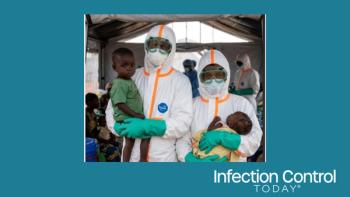
Infection preventionists in full PPE with children in DRC.  (Image credit: author with AI)
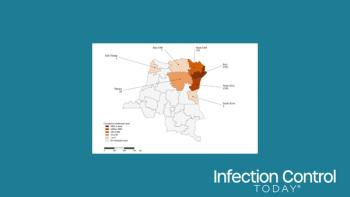
Nearly 4 months into the DRC's Bundibugyo virus disease outbreak, some indicators suggest transmission may be slowing. But shifting hotspots, treatment-center capacity problems, community deaths, and incomplete surveillance data show why national case totals alone cannot determine whether containment has been achieved.
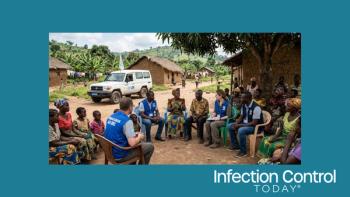
Health care workers from the US speaking with other health care workers in DRC.  (Image credit: author with AI)
Is the Ebola outbreak in the DRC getting better? The answer depends on which numbers you examine. Several important indicators are moving in the right direction, including slower case growth and a declining Rₜ. But major gaps remain in contact tracing, testing, community deaths, safe burial coverage, and treatment capacity in some of the hardest-hit areas. ICT takes a deeper look at the latest outbreak data and why the numbers suggest cautious optimism, not victory.
Dyan Troxell, MSN, RN, director of clinical education at HandCraft Linen Services; J.J. Odom, MBA, CHESP, CMIP, T-CHEST, university director of buildings and grounds for UConn Health and chair-elect of the AHE Board; and Jenna Rivers, MPH, CPH, CIC, manager of infection prevention and control at Moffitt Cancer Center in Tampa, Florida.
At AHE Exchange 2026, ICT spoke with experts representing commercial laundry services, EVS, and infection prevention about the systems behind a successful reusable linen program. They discuss linen quality, reject rates, unnecessary waste, frontline education, data, PAR levels, infection prevention oversight, and why strong relationships between health care facilities and their laundry providers matter.
A group of students raising their hands in class during a lecture  (Adobe Stock 292282454 by Mediteraneo
How do you celebrate an infection that never happened? That's one of the unusual challenges infection preventionists share with teachers. Both can spend their careers changing outcomes they may never see. Both educate people who don't always want to listen. Both are second-guessed. Both face burnout. And both must somehow keep remembering why they started.