|Videos|August 12, 2020

Q&A: How COVID-19 Tests Hospital Command Centers

Author(s)Frank Diamond

Mary Ellen Beliveau: “If I’m an OB/GYN and all of a sudden I’m in the ICU, I don’t know how to run a ventilator. I’ve never run a ventilator before. I could be the best OB/GYN in the country. But suddenly, being put in a different area of practice and then to be expected to be at the top of my license is almost impossible.”

Hospital command centers were built to handle emergencies like hurricanes, tornadoes, floods and other natural disasters. They weren’t built with something like COVID-19, says Mary Ellen Beliveau, the CEO and founder of Knowledge to Practice, a company that develops continuing education platforms and tools. Beliveau tells Infection Control Today®: “I’m trying to get as deep an insight as possible on the command centers, and how hospitals have adopted their command centers to be effective in a pandemic, when command centers have generally been designed for storm-based issues. And how quickly they have turned it around. Who’s been successful who hasn’t been successful.” Beliveau also discusses the difficulties faced when some specialists help in the emergency department, doing tasks they’ve never been trained to do.



Related to this article

A group of students raising their hands in class during a lecture  (Adobe Stock 292282454 by Mediteraneo
How do you celebrate an infection that never happened? That's one of the unusual challenges infection preventionists share with teachers. Both can spend their careers changing outcomes they may never see. Both educate people who don't always want to listen. Both are second-guessed. Both face burnout. And both must somehow keep remembering why they started.
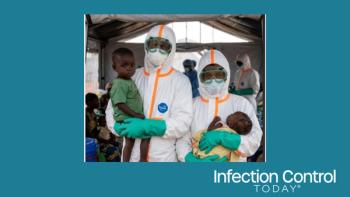
Infection preventionists in full PPE with children in DRC.  (Image credit: author with AI)
Nearly 4 months into the DRC's Bundibugyo virus disease outbreak, some indicators suggest transmission may be slowing. But shifting hotspots, treatment-center capacity problems, community deaths, and incomplete surveillance data show why national case totals alone cannot determine whether containment has been achieved.