Surgical procedures are often critical to disease and condition treatment. However, alongside the benefits come the risks, notably surgical site infections (SSIs). SSIs can lead to prolonged hospital stays, increased health care costs, morbidity, and, in severe cases, mortality. Understanding the factors contributing to SSIs is paramount in enhancing patient safety and reducing health care-associated infections (HAIs).
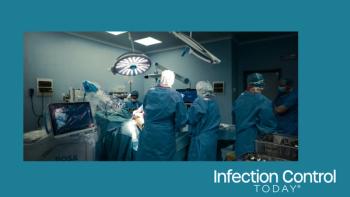
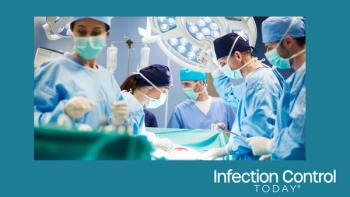
A pivotal aspect influencing SSIs is the traffic within the operating room (OR) environment. Research indicates that frequent door openings and increased OR personnel movement correlate with elevated bacterial counts and heightened infection risks. The dynamics of OR traffic, including the frequency of door openings and the number of individuals entering or exiting during procedures, play a crucial role in infection prevention strategies.
“Major guidelines for SSI prevention recommend limiting OR traffic, as it has a negative effect on OR air quality,” noted a recent study “Frequent door openings correlate with increased bacterial counts and contribute to the increasing risk of SSIs.”1
To address this concern, the study titled “Automated Traffic Monitoring of Neurosurgical Operating Room” was conducted to assess OR traffic patterns during neurosurgical procedures and explore staff perceptions regarding OR traffic.1 The study's authors used a combination of direct observation, automated monitoring, and staff interviews to comprehensively analyze OR traffic dynamics and identify potential interventions to reduce traffic and mitigate infection risks.
“Multiple studies showed that a high rate of traffic during lengthy operations represents a challenge to infection prevention and patient safety,” wrote the authors. “Understanding the reason for OR traffic is essential for implementing quality improvement strategies to reduce the number of people entering or exiting the OR. Additional details regarding reasons for OR traffic [were] gathered by direct observation and uncovered 39% of OR traffic occurred due to the need to gather supplies, instruments, equipment, or other tasks.”
Direct observations revealed that the OR door was opened numerous times during procedures, with an average of 18 door openings per hour and approximately 20 individuals entering or exiting the OR per hour. Reasons for OR traffic included supply retrieval, equipment delivery, emergencies, and staff movement for various tasks. Automated monitoring further corroborated these findings, indicating a significant association between the length of the procedure and the number of individuals entering or exiting the OR.
Staff interviews provided valuable insights into perceived reasons for OR traffic and suggested interventions to minimize traffic, such as using communication devices, optimizing supply management, and increasing staff awareness. Additionally, the study's findings highlighted the importance of staff education and regular feedback on OR traffic rates to align perceptions and promote adherence to infection prevention protocols.
Overall, the findings underscore the significance of monitoring and reducing OR traffic as a fundamental strategy in preventing SSIs and enhancing patient safety. By implementing these and other targeted interventions to minimize unnecessary traffic and streamline workflow processes, health care facilities can effectively mitigate infection risks and optimize surgical outcomes.
Reference
1. Buckner L, Lacy J, Young K, Dishman D. Decreasing Foot Traffic in the Orthopedic Operating Room: A Narrative Review of the Literature. J Patient Saf. 2022 Mar 1;18(2):e414-e423. doi: 10.1097/PTS.0000000000000833. PMID: 33871413.