Safe in Common (SIC), the non-profit organization of healthcare safety advocates that is dedicated to eradicating needlestick- and sharps-related injuries, today opened registration for its third online conference in a series of events addressing needlestick and sharps safety. The conference, The Unfinished Agenda: When Will Healthcare Worker Sharps Injuries Become a Never Event? will take place on Thursday, May 30, at 1:00 p.m. EST. To register, CLICK HERE.
As part of The Unfinished Agenda online series, Safe in Common has brought together a panel of the nation's leading needlestick prevention and safety experts to determine how the healthcare community can further the conversation to raise awareness about the dangers surrounding sharps-related injuries, as well as how to prevent them and keep healthcare personnel and patients safe.
Join Safe in Common and more than 1,000 colleagues for this live event, which will focus on addressing sharps exposure in alternate-care sites beyond the hospital, identifying injury prevention needs within healthcare organizations using a task analysis tool and introducing Safe in Commons Top 10 Golden Rules of safer engineering controls.
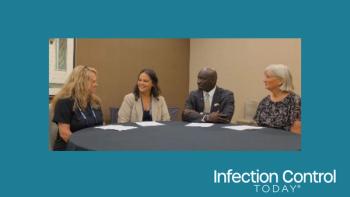
Participants will also have the opportunity to ask questions and voice their opinions about a range of significant topics throughout the event. The online conference will be moderated by Mary Foley, PhD, RN,a  fellow at the American Academy of Nursing (AAN), Chairperson of SIC and Director of the Center for Nursing Research and Innovation at the University of California, San Francisco (UCSF) School of Nursing. During the interactive presentation, she will be joined by:
- June M. Fisher, MD, clinical professor at the University of California, San Francisco School of Medicine in the Division of Occupational and Environmental Medicine
- Elise Handelman, former director of the Office of Occupational Health Nursing at the Occupational Safety and Health Administration (OSHA)
- Barbara DeBaun, RN, MSN, CIC, improvement advisor at Cynosure Health
Our third online conference will continue to explore the eye-opening discussion that resulted from our first and second events and hopefully foster greater awareness about the need for safer working environments, says Foley. All healthcare personnel, manufacturers, pharmaceutical firms, regulators, accrediting organizations and provider executives are encouraged to attend to learn how they can support and further the cause throughout the industry. Raising awareness about these issues is the key to helping needlestick- and sharps-related injuries truly become a never event.
The online conference series is part of SICs ongoing effort to promote and strengthen the Federal Needlestick Safety and Prevention Act, raise awareness of needlestick safety and utilize safer engineering controls to protect healthcare personnel from unnecessary needlestick injuries.
To join the cause and become part of the mission, take the Needlestick Safety Pledge at: http://www.safeincommon.org/needlestick-safety-pledge.
Source: Safe in Common