|Articles|August 2, 2011

Sempermed Launches 'Glove the Planet' Sustainability Campaign

Sempermed USA, Inc. announces the launch of its sustainability campaign, Glove the Planet. This initiative represents Sempermeds commitment to developing business in an environmentally friendly and socially sustainable way. The Glove the Planet campaign harnesses Sempermeds long-standing commitment to sustainable business practices and specifically details the companys success related to transportation, packaging, waste and carbon emissions.

We are excited to show what Sempermed is doing to play a role in helping to sustain our environment and reduce waste," says Brooke Rosenberg, marketing manager of Sempermed USA, Inc. "Our actions to sustain the world we live in not only help reduce our carbon footprint they also help save our customers money, giving one more reason to do business with Sempermed.


Related to this article

Image of Pathogens flying   (Adobe Stock weerasak)
Behind every landmark in infection prevention, from antimicrobial stewardship guidelines to the COVID-19 town halls that reached flight attendants and teachers, is a generation of physician-scientists who led SHEA through crises, organizational change, and scientific breakthroughs. Infection Control Today traces 30 years of SHEA presidents and the lasting mark they left on the field.

A brightly lit Hospital operating room, a surgical team wearing gowns and masks.  (Adobe Stock 1790696595 by Damian)
Turnover pressure can leave critical OR cleaning steps unfinished. Karen deKay, MSN, RN, EBP-C, CNOR, CIC, FAPIC, examines common gaps in environmental hygiene and how shared responsibilities, attention to disinfectant contact time, and ongoing education can help teams strengthen practices between cases.
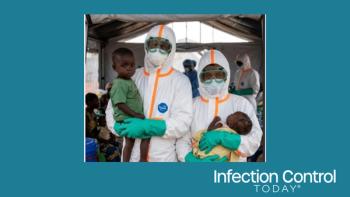
Infection preventionists in full PPE with children in DRC.  (Image credit: author with AI)
Nearly 4 months into the DRC's Bundibugyo virus disease outbreak, some indicators suggest transmission may be slowing. But shifting hotspots, treatment-center capacity problems, community deaths, and incomplete surveillance data show why national case totals alone cannot determine whether containment has been achieved.