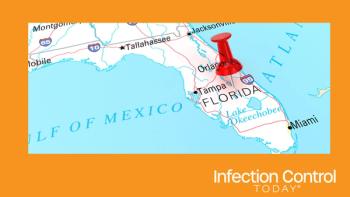
Florida’s dengue outbreak highlights the importance of recognizing symptoms, identifying warning signs, and preventing mosquito bites. Ubong Johnson, MD, explains local transmission, diagnostic testing, treatment, and practical prevention measures.
WASHINGTON, D.C. - A new study from the Annals of Emergency Medicine found that many seniors entering the emergency room for treatment do not know enough about their medications.
The study found 15 percent of elderly (age 65 and older) emergency department patients could correctly list all of their medications, doses and indications.
"Our study reflects poor communication between healthcare providers and elderly patients, the complexity of modern medication regimens, and the passive role the elderly are taking in their healthcare," says Joel M. Bartfield, MD, of Albany medical College in New York. Bartfield is also co-author of the study.
"Considering a large number of elderly people ego to emergency departments with adverse drug reactions, and they are the fastest growing age group, this could become a major public health problem."
Researchers also noted that they excluded elderly patients who did not know their pharmacy or were disoriented.