TeleTracking Technologies, Inc. and Hill-Rom announce they are expanding a long-standing collaboration aimed at automating the healthcare clinical environment with a new agreement that increases the RTLS cross-selling rights of both companies.
The agreement makes Hill-Rom, worldwide provider of hospital clinical workflow solutions, a licensed reseller of TeleTracking's asset and temperature tracking software and gives TeleTracking, a global leader in automated capacity management solutions, the re-sale rights to Hill-Rom's hand hygiene compliance solution.
For several years, the companies have collaborated by helping joint clients integrate TeleTracking's patient flow system with Hill-Rom's Navicare platform in order to increase throughput efficiency.
"The TeleTracking – Hill-Rom collaboration elevates an existing relationship and includes joint sales opportunities for new customers," says Michael Gallup, TeleTracking president. "We both share the same goal of improving efficiency for healthcare providers, and we believe the customer will get the greatest benefit of all."
Adam McMullin, vice president and general manager of Hill-Rom Clinical Workflow Solutions, says the industry needs to have more leading companies like TeleTracking and Hill-Rom working together to help providers improve outcomes and sustain those results. "Improving hand hygiene compliance has been shown to reduce costly and potentially deadly infections," McMullin says, "while improving asset utilization reduces waste and is a great example of how the solutions can help our customers really move the needle."
TeleTracking's RTLS TempTracking™ application, part of the industry's most comprehensive real-time monitoring solution, constantly reports on critical refrigerated medications and blood products, and eliminates manual log keeping and streamlines monthly compliance reporting.
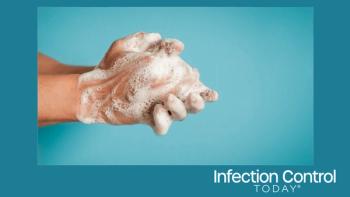
With more than 4 million hand-hygiene events recorded to date, hospitals using Hill-Rom's Hand Hygiene Compliance Solution have experienced compliance increases of over 30 percent within two months of implementation. The system, which uses badge-based locating technology, gives caregivers a gentle reminder to wash their hands upon entering a care environment and automatically records each instance of compliance.
The TeleTracking - Hill-Rom partnership offers potential clients the unique ability to leverage an investment in RTLS products and services against multiple applications that ultimately yields a faster ROI.
Source: TeleTracking Technologies, Inc.