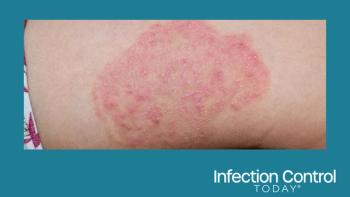
A new Mayo Clinic study reveals the most common causes of allergic contact dermatitis, a skin inflammation resulting in swollen, reddened and itchy skin due to direct contact with an allergen. Topping the list were:
*Nickel (nickel sulfate hexahydrate) -- metal frequently encountered in jewelry and clasps or buttons on clothing
*Gold (gold sodium thiosulfate) -- precious metal often found in jewelry
*Balsam of Peru (myroxylon pereirae) -- a fragrance used in perfumes and skin lotions, derived from tree resin
*Thimerosal -- a mercury compound used in local antiseptics and in vaccines
*Neomycin sulfate -- a topical antibiotic common in first aid creams and ointments, also found occasionally in cosmetics, deodorant, soap and pet food
*Fragrance mix -- a group of the eight most common fragrance allergens found in foods, cosmetic products, insecticides, antiseptics, soaps, perfumes and dental products
*Formaldehyde -- a preservative with multiple uses, e.g., in paper products, paints, medications, household cleaners, cosmetic products and fabric finishes
*Cobalt chloride -- metal found in medical products; hair dye; antiperspirant; objects plated in metal such as snaps, buttons or tools; and in cobalt blue pigment
*Bacitracin -- a topical antibiotic
*Quaternium 15 -- preservative found in cosmetic products such as self-tanners, shampoo, nail polish and sunscreen or in industrial products such as polishes, paints and waxes
This study, to be presented Monday at the American Academy of Dermatology annual meeting in San Francisco, confirmed that patch testing with a standard contact dermatitis series of substances is useful for identifying common contact allergens. Patch testing is conducted by placing potential allergens covered with patches on patients backs for two days and then observing which substances cause skin inflammation. The study confirmed previous findings by the North American Contact Dermatitis Group.
The researchers examined contact dermatitis testing results from 3,854 patients over a five-year period between Jan. 1, 2001 and Dec. 31, 2005. The patients were tested with an average of 69 allergens. Of these patients, 2,663 (69 percent) had at least one positive reaction, and 1,933 (50 percent) had two or more positive reactions.
Results of two other Mayo Clinic studies on contact dermatitis will be presented at the American Contact Dermatitis Society meeting, which immediately precedes the American Academy of Dermatology meeting. In the first study, researchers mailed a written survey to 1,458 recently tested contact dermatitis patients. The survey found that, overall, patients were satisfied with the contact dermatitis patch testing process and with subsequent improvement of their skin conditions. More than 75 percent of respondents said they were at least somewhat satisfied with the overall testing and treatment process, and over one-half reported they were very satisfied. Nearly 60 percent indicated improvement in their skin conditions since the patch testing.
In the second study to be presented at the American Contact Dermatitis Society meeting, researchers included a write-in question with the aforementioned survey mailing. The survey found patients could recall only 50.6 percent of the allergens for which they tested positive an average of 13.4 months after patch testing. The researchers indicate these findings point to the ongoing need for education to remind patients of their allergens and reinforce the importance of avoiding them.
Contact dermatitis is common among all age groups and can cause minor annoyance to more severe handicaps, according to Mark Davis, MD, Mayo Clinic dermatologist and lead study researcher. Patients with contact dermatitis can get a very itchy rash from head to toe, or in a confined area, he says. If its on the hands and feet it can be disabling, and patients at times cant do their jobs.
Allergen avoidance is the chief treatment for contact dermatitis, according to Davis, though at times corticosteroid creams are used to treat rashes. He notes, however, that 3 percent of patients with contact dermatitis are allergic to the topical steroids that would alleviate their symptoms.
Source: Mayo Clinic