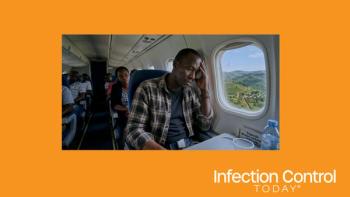
An imported case of Bundibugyo virus disease in Kenya raises questions about airport screening, clinical recognition, and potential exposures, highlighting the importance of coordinated contact tracing and hospital infection prevention readiness.
To date, the Centers for Disease Control and Prevention (CDC) has received reports of 32 Vibrio species infections among persons evacuated because of the hurricane; six have died (four from V. vulnificus, and two from V. parahaemolyticus).
Among the 32 reports, late Friday, Sept. 16, CDC confirmed two additional cases of Vibrio cholerae infection among persons evacuated from the Hurricane Katrina affected area. The person who became ill from nontoxigenic V. cholerae 01 had eaten raw oysters and shrimp between Aug. 27-30. The person who became ill from the V. cholerae non-01, non-0139 had been exposed to flood water.
CDC professionals report, in most areas, declining concerns about infectious disease transmission as evacuation centers continue to empty. Intense surveillance continues in those centers still operating and personal and community measures are being taken to decrease the risk of infectious disease outbreaks, including cases of varicella reported in some centers.
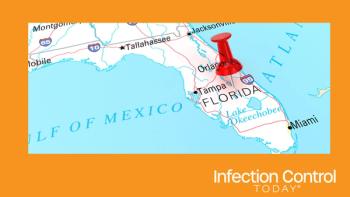
The majority of medical and health visits among persons staying in evacuation centers involve injuries, medication re-supply, oral health, and chronic health conditions. Of serious concern are the continuing reports of carbon monoxide poisonings among persons in Louisiana, Mississippi, and Florida. The surveillance system that tracks hyperbaric oxygen chamber use (needed for treatment of severe carbon monoxide poisonings) reported 25 new cases since Sept. 15.
Source: Centers for Disease Control and Prevention
Stay prepared and protected with the Infection Control Today newsletter, delivering essential updates, best practices, and expert insights for infection prevention professionals.
Subscribe