
Here is what you need to know about the National Institutes of Health capping indirect cost rates for research funding.
Here is what you need to know about the National Institutes of Health capping indirect cost rates for research funding.
Burnout among infection preventionists is a growing crisis exacerbated by the pandemic. This personal reflection highlights the emotional toll, systemic challenges, and urgent need for support.
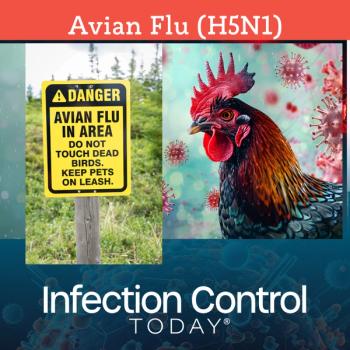
A new H5N1 strain was found in Nevada dairy cows, challenging earlier transmission theories. This raises concerns about animal vulnerability, human health risks, and food safety. Experts emphasize the need for improved surveillance, biosecurity, and cross-sector collaboration to contain the virus spread.
The US exit from the UNHRC and cuts to UNRWA funding jeopardize global health, humanitarian aid, and pandemic preparedness, isolating America and endangering millions worldwide.
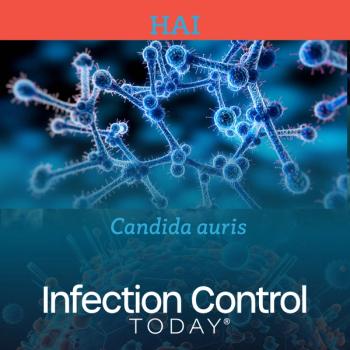
Fungal infections are a rising global threat, with antifungal resistance complicating treatment. Neil J. Clancy, MD, emphasizes the urgent need for research, better diagnostics, and stronger infection prevention strategies.
This week's Infection Control Today's Hot Topics in IPC covers respiratory virus season, H5N1, and public health politics.
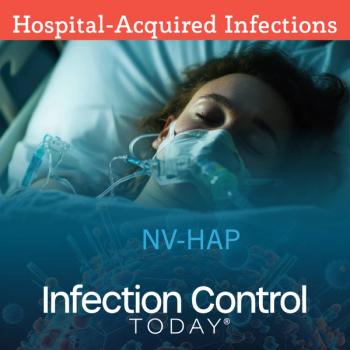
Nonventilator hospital-acquired pneumonia (NV-HAP) is a deadly, overlooked infection impacting patient outcomes. With new diagnostic tools and prevention strategies, hospitals must prioritize oral hygiene to reduce risk.

APIC warns that the HHS gag order on CDC communications endangers public health, delaying critical infection updates and weakening outbreak response amid rising tuberculosis, avian flu, Ebola, and measles threats.
The Bug of the Month helps educate readers about existing and emerging pathogens that are clinically important in today's health care facilities.
The sudden suspension of USAID funding is triggering a worldwide humanitarian emergency, threatening health systems, economic stability, and global security—undoing decades of progress in development and disease control.
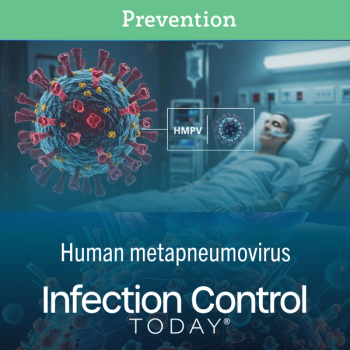
A surge in human metapneumovirus (hMPV) cases highlights the need for improved detection, prevention, and public awareness, particularly for vulnerable populations such as children, elderly, and immunocompromised individuals.
Despite medical advances, HIV prevention faces roadblocks—low PrEP adoption, stigma, and accessibility issues threaten progress. Experts push for innovative, long-acting solutions to end the epidemic.
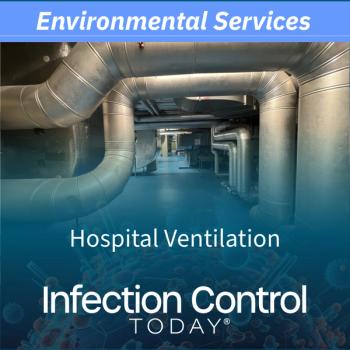
New research reveals hospital ventilation and air purifiers may unintentionally spread viral particles, increasing infection risks. Infection preventionists must rethink airflow strategies to protect patients and staff.
Despite revolutionary advancements like alcohol-based hand rubs, infection prevention still faces major hurdles. Poor adherence to hygiene, overreliance on technology, and understaffed environmental services create perfect storm conditions for deadly outbreaks.
This week's edition of Hot Topics in IPC covers the latest in Trump's executive orders and in avian flu.

This article first appeared as a LinkedIn newsletter from ICT. Subscribe and never miss exclusive articles not found anywhere else.
The US CDC's sudden cutoff from WHO threatens global health security, leaving infection preventionists scrambling to track deadly outbreaks like Marburg virus, mpox, and avian flu.
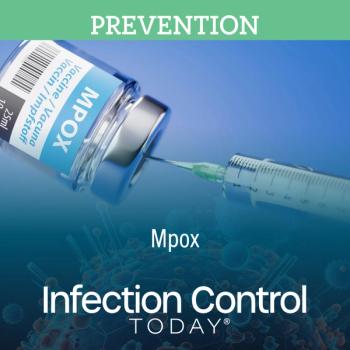
A CNA unknowingly worked while infectious with mpox, exposing 56 residents. Yet, no secondary infections occurred, highlighting the power of standard precautions in healthcare settings.
Norovirus and avian influenza outbreaks require infection preventionists to enhance hygiene, train staff, implement PPE use, and ensure effective disinfection to protect health care workers, patients, and facilities.
Executive orders issued on the first day of the presidency affect various health initiatives.

Effective sterile processing leadership requires active engagement, clear communication, and a transformational approach to foster collaboration, accountability, and quality in infection prevention and surgical instrument management.

Hospitals rely on automated disinfectant dispensers, but a study led by Curtis Donskey, MD, found inconsistent dilution levels, with some dispensers releasing only water. Improved monitoring and design modifications are essential.

A meta-analysis found alcohol-based antiseptics significantly reduce Staphylococcus aureus-related surgical site infections (SSIs), demonstrating efficacy comparable to mupirocin and iodophor, supporting their expanded use in infection prevention strategies.
The American Society of Regional Anesthesia and Pain Medicine (ASRA Pain Medicine) released comprehensive infection control guidelines for pain procedures, emphasizing prevention, early recognition, multidisciplinary collaboration, and judicious antibiotic use to enhance patient safety and healthcare outcomes.

The US withdrawal from WHO threatens global health collaboration, weakening infection control, disease surveillance, and funding for vulnerable nations, undermining decades of progress in combating infectious diseases worldwide.
After a long hiatus, Hot Topics in IPC is back! This article concerns the Trump Administration's executive orders and other health care updates.
An infection preventionist reels from the US exit from WHO, writing that it disrupts global health efforts, weakens infection control, and lacks research funding and support for low-income nations dependent on WHO for health care resources.
The US withdrawal from WHO jeopardizes infection prevention, research funding, and global collaboration, disproportionately impacting low-income nations reliant on WHO support for equitable health care advancements.
Evolving air quality monitoring technologies, like an IAQ Exposure Index, provide real-time data to detect airborne contaminants, enhance infection control, and protect vulnerable healthcare populations from respiratory exposures.
EvaClean partners with Microsplitting Ltd. to distribute its advanced disinfection systems and absorbents, revolutionizing infection prevention across health care, education, hospitality, and industrial sectors worldwide.