News

In the fall of 1980, a 33-year-old immunologist named Michael Gottlieb began hearing about young homosexual men in the Los Angeles area who, inexplicably, were extremely ill. The men had a rare form of pneumonia – caused by the fungus Pneumocystis carinii (now called P. jirovecii) – which only strikes patients with severely weakened immune systems. The five men whose cases Gottlieb tracked did not know each other, and all but one had been in robust health until their physical conditions suddenly declined.

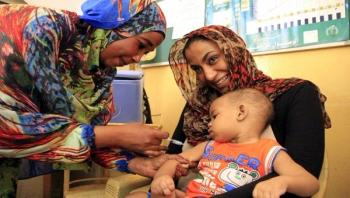
A program by Stony Brook Children’s Hospital that involves the use of trained community health workers on child immunization reveals that home intervention and education improves vaccine/immunization rates in at-risk children, including those living in poverty. Overall, the intervention improved the likelihood of up-to-date immunization status by more than 15 percent for children up to 2 years of age compared to those without the intervention. The study involved more than 300 pediatric patients and is published in the journal Vaccine.

Scientists at the Center for Infectious Disease Research recently uncovered a critical piece in the puzzle of how malaria parasites infect their host. The work, recently published in Science Magazine, reveals the details of how the malaria parasite invades its initial target organ, the liver. Without infection of the liver, the parasites cannot multiply or spread to the blood. Infection of the blood causes illness, spread of the disease, and, ultimately, death.