
Detection of a new case of Ebola virus disease in Kambia, Sierra Leone after the country had marked almost three weeks of zero cases has set in motion the first "ring vaccination" use of the experimental Ebola vaccine in Sierra Leone.
Detection of a new case of Ebola virus disease in Kambia, Sierra Leone after the country had marked almost three weeks of zero cases has set in motion the first "ring vaccination" use of the experimental Ebola vaccine in Sierra Leone.


Modern infection control, which is based on the scientific work of 19th century scientists such as Pasteur, Lister and Koch, was organized as a specialty for non-physician practitioners almost a century later. Hospital based infection control emerged as a distinct specialty in the 1970s. In its early decades the evolving specialty arena was led by registered nurses who still remain the single largest group of clinicians within what has now become a multidisciplinary field.



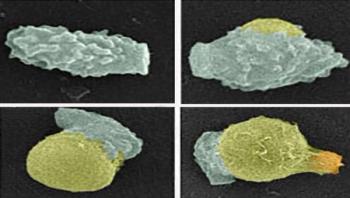
The fungus Cryptococcus causes meningitis, a brain disease that kills about 1 million people each year -- mainly those with impaired immune systems due to AIDS, cancer treatment or an organ transplant. It's difficult to treat because fungi are genetically quite similar to humans, so compounds that affect fungi tend to have toxic side effects for patients. Now, in one of the most detailed studies of how a dormant fungal spore transforms itself into a disease-causing yeast, researchers at the University of Wisconsin-Madison have identified 18 proteins that play a role in spore formation and germination. The findings raises the possibility of preventing the disease by blocking the spores' germination.

In this Pulse, we present various strategies that hospitals can employ to cut costs in their in-house laundry departments. These measures include using newer technologies and going green.
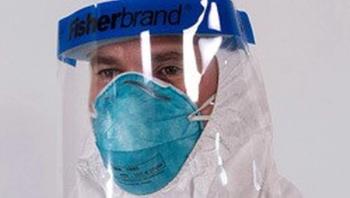

The World Health Organization (WHO) today unveiled a global plan to better integrate water, sanitation and hygiene (WASH) services with four other public health interventions to accelerate progress in eliminating and eradicating neglected tropical diseases (NTDs) by 2020.
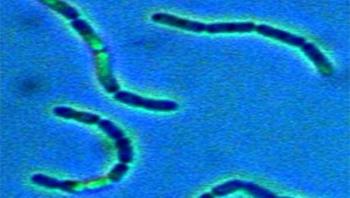
Probiotics show no benefit for preventing or eliminating gastrointestinal colonization with drug-resistant organisms in patients in the intensive care unit compared to standard care, according to new research published online today in Infection Control & Hospital Epidemiology.
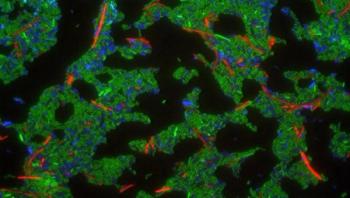
It's bacteria against bacteria, and one of them is going down. Two UC Santa Barbara graduate students have demonstrated how certain microbes exploit proteins in nearby bacteria to deliver toxins and kill them. The mechanisms behind this bacterial warfare, the researchers suggest, could be harnessed to target pathogenic bacteria. Their findings appear in the Proceedings of the National Academy of Sciences.