News
Advertisement

Advertisement
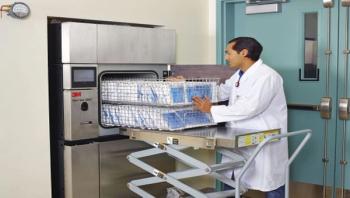
Life science companies continually evaluate their operations for opportunities to improve throughput, increase compliance, and reduce costs. Medical device manufacturers, laboratories, and R&D facilities can all experience greater flexibility and more control with an in-house ethylene oxide (EO) sterilization program. By reducing what can be a two-week turnaround time with outsourced sterilization, operations managers can expect faster release of finished goods and increased inventory turns for a measurable and sustainable economic benefit. In particular, companies that process small, high-value devices can benefit from the new 3M™ Steri-Vac™ Sterilizer/Aerator GSX Series ethylene oxide (EO) sterilization system, with state-of-the-art mechanical design, real-time cycle information on the high-resolution color touch screen, and the ability to quickly and easily customize sterilization cycles.
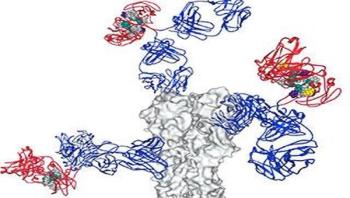
Flu vaccines can be something of a shot in the dark. Not only must they be given yearly, there's no guarantee the strains against which they protect will be the ones circulating once the season arrives. New research by Rockefeller University scientists and their colleagues suggests it may be possible to harness a previously unknown mechanism within the immune system to create more effective and efficient vaccines against this ever-mutating virus.
Advertisement
Advertisement

When it comes to fighting West Nile virus, it’s all about timing. Through a three-year NASA grant, two South Dakota State University researchers will help mosquito control officials use mosquito surveillance and environmental data to target West Nile virus.
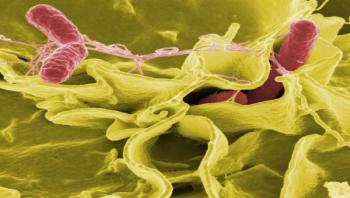
Extreme heat and precipitation events, which are expected to increase in frequency and intensity due to climate change, are associated with increased risk of Salmonella infections, according to a study led by researchers from the University of Maryland School of Public Health. The study is the first to provide empirical evidence that Salmonella infections related to extreme weather events are disproportionately impacting those living in the coastal areas of Maryland.
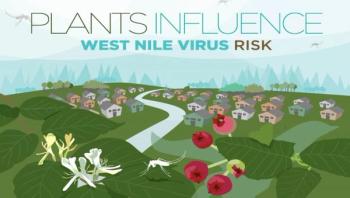
A new study looks at how leaf litter in water influences the abundance of Culex pipiens mosquitoes, which can transmit West Nile virus to humans, domestic animals, birds and other wildlife. The study found that different species of leaf litter in standing water influence where Culex pipiens mosquitoes deposit their eggs, how quickly the larvae grow, how big they get and whether they survive to adulthood. Because the mosquitoes feed on bacteria that grow on leaf litter, the team also measured how native and non-native leaf species influenced bacterial abundance and diversity. The study is reported in the journal Parasites and Vectors.

Advertisement
Advertisement
Trending on Infection Control Today
1
Hantavirus Concerns and Cruise Ship Hygiene: What Infection Preventionists Need to Know
2
Education, Advocacy, and Recognition: Malinda Elammari on the Future of Sterile Processing
3
IP LifeLine: Connecting With Specialized Recruiters and Navigating the Hiring Process
4