
News
Advertisement
Advertisement
If having limited resources at your healthcare institution is forcing you to choose one key infection control-related intervention -- either hand hygiene or environmental hygiene -- to get the most return on investment, what would you select? Researchers have developed a model that can help infection preventionists, healthcare epidemiologists and administrators determine which strategies have a better pay-off from a patient safety perspective and can help guide resource-allocation decisions.
One of the most talked-about issues at last year's IDWeek conference was patient bathing with chlorhexidine gluconate (CHG). The topic was included in a session called "Thorny Issues in Infection Prevention" in which panelists described practical solutions to real-world problems in infection prevention, compared the strengths and weaknesses of the solutions discussed, and debated strategies to assist in the implementation of the solutions presented. Moderated by Charles Huskins, MD, MSc, FIDSA, FSHEA, FPIDS, of Mayo Clinic and Thomas Talbot, MD, MPH, of Vanderbilt University, the panel included Loreen Herwaldt, MD, FIDSA, FSHEA; Susan Ray, MD, FIDSA; Stephen Parodi, MD, FIDSA; Edward Septimus, MD, FIDSA, FSHEA; and Danielle Zerr, MD, MPH, FPIDS.
Advertisement
This is a story about nursing education – both academic and clinical. It’s a powerful example of how one can impact the other, and how both can lead to a new evidence-based best practice that benefits patients and their providers. It’s also about nursing compassion, and a willingness to change a culture in order to prevent patient suffering.

An international research team has shown how changes in a flu virus that has plagued Chinese poultry farms for decades helped create the novel avian H7N9 influenza A virus that has sickened more than 375 people since 2013. The research appears in the current online early edition of the scientific journal Proceedings of the National Academy of Sciences.

For many people, Dec. 22, 2014 was the beginning of the holiday season. But for Rebeca Johnson, a Sierra Leone nurse who survived Ebola, it marked a return to work -- and a new lease on life.
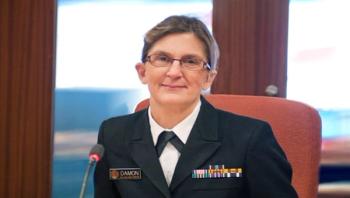
In early July, Inger Damon, MD, PhD, was in Colorado, training at altitude for an extreme 17.1-mile run. But at the end of that month, she found herself running a much more difficult marathon. Not that her planned entry in September’s Imogene Pass Run -- a grueling trek that climbs over 5,300 feet to the 13,114-foot Imogene Pass and descends into Telluride – wouldn’t have been a challenge. But on July 30, she was named Incident Manager to head the Ebola response at CDC’s Emergency Operations Center (EOC). Since then she’s had just four days off.
Advertisement
Advertisement
Trending on Infection Control Today
1
Hantavirus Concerns and Cruise Ship Hygiene: What Infection Preventionists Need to Know
2
Education, Advocacy, and Recognition: Malinda Elammari on the Future of Sterile Processing
3
IP LifeLine: Connecting With Specialized Recruiters and Navigating the Hiring Process
4