News

Researchers have identified neutralizing antibodies against Zika virus from an infected patient that fully protected mice from infection, adding to the current arsenal of antibodies in development for much needed antiviral therapies and vaccines. Unlike other human antibodies under investigation that recognize both Zika and the closely related dengue virus, the antibodies used in this study exclusively target Zika, demonstrating a high specificity that could be important in avoiding potential side effects - such as enhanced dengue infection in regions where both viruses are endemic.

A key skin protein previously overlooked in studies of staph infection has the ability to quell antibiotic-resistant staph- and strep-based skin infections, according to a study in the Nov. 18, 2016 issue of Science Immunology.

A Rift Valley fever outbreak was recently reported at the border between Niger and Mali in West Africa. So far, 64 human cases including 23 deaths have been confirmed in Niger, according to the World Health Organization (WHO). Umeå University infectious disease epidemiologist Osama Ahmed Hassan recently joined an international expert fact-finding mission to Mali as a consultant with the Food and Agricultural Organization of the United Nations (FAO/UN).

Healthcare provider burnout is known to have a relationship with both quality of care and patient safety. Psychologists from the School of Science at Indiana University-Purdue University Indianapolis conducted the first study to systematically, quantitatively analyze the links between healthcare provider burnout and healthcare quality and safety across medical disciplines.

OpenNotes evidence has shown that transparent medical records can increase patient engagement - patients who read the clinical notes written by their doctors report feeling more in control of their care and being better able to adhere to the treatment plan. Now new research from OpenNotes investigators at Beth Israel Deaconess Medical Center (BIDMC) suggests that offering patients a mechanism to provide feedback about their notes further enhances engagement and can improve patient safety. The study results appear online today in the British Medical Journal (BMJ) Quality and Safety.

Sometime in the next few days or weeks - whenever he can adequately gather his thoughts - a Mississippi man plans to sit down and write a very important letter to a family he has never met, but whose legacy he will carry with him for the rest of his life. The man, who is HIV-positive, is in his 30s and wishes to remain anonymous. He recently became the eighth patient in the United States to receive a transplant from an HIV-positive deceased donor. The HIV-positive to HIV-positive transplant happened at the University of Alabama at Birmingham. UAB Hospital is the first in the Deep South to achieve an HIV-positive to HIV-positive transplant, and only the fourth hospital in the country to do so.

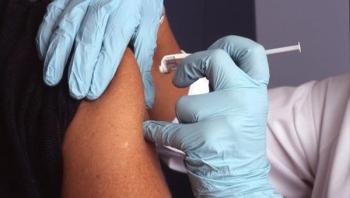
As scientists race to create a vaccine for the Zika virus, new research from the University of Georgia suggests almost half of Americans wouldn’t be interested in getting the shot even if public health officials recommended it for them. Only 1 in 3 people in an October 2016 nationally representative survey said they would be willing to get a Zika shot if one were available and recommended. More than two out of five respondents said they would not be interested in getting a Zika vaccine, and another quarter were undecided on the question.