
News
Advertisement
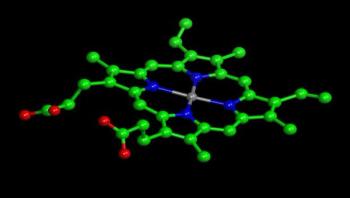
Research co-led by bioscientists at the University of Kent provides a molecular explanation for how the bacterium behind the super bug MRSA produces a red pigment that is crucial for its rapid growth.
Advertisement

The discovery of penicillin and subsequent generations of antibiotics has been heralded as one of the biggest medical discoveries in history. Yet shortly after his discovery of penicillin in 1928, Fleming warned of the dangers of resistance. This fear has since been proven to be accurate. Within a few years of the introduction of each new class of antibiotics, resistance was detected, helping drive the need for development of the next blockbuster antibiotic.

With flu season around the corner and the latest Hospital Consumer Assessment of Healthcare Providers and Systems (HCAHPS) deadline just passed, now seems the ideal time to explore the issue of cleanliness, the topic of Question 8 of that quarterly survey. Almost every aspect of the healthcare environment involves decontamination. After all, a hospital is the last place where germs should flourish and spread. And these days, with the HCAHPS reporting mandate in place, the subject of cleanliness – and the poll’s other questions as well – has become even more important. Patients’ responses to HCAHPS influence a hospital’s reputation and finances. Therefore, as fall and winter bring bouts of flu cases and facilities aim to stay at the top of their survey scores, some pointers on cleanliness principles and procedures may be what the doctor ordered.
Advertisement
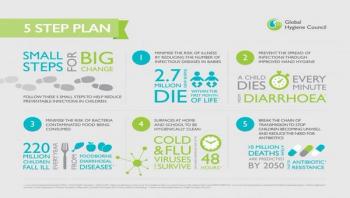
Report Highlights Steps to Improve Hygiene Practices, Reduce Burden of Infectious Diseases Worldwide
The "Small Steps for Big Change" report, commissioned by The Global Hygiene Council (GHC) is published today, highlighting the alarming burden of preventable infectious diseases in children worldwide and calls for a simple five-step plan to be implemented by families, communities and healthcare professions to improve everyday hygiene practices and stop children dying from preventable infections.
Advertisement

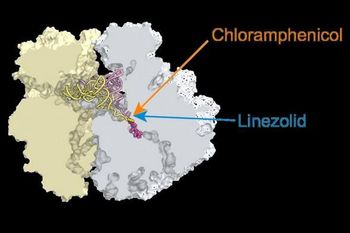
Two widely prescribed antibiotics -- chloramphenicol and linezolid -- may fight bacteria in a different way from what scientists and doctors thought for years, University of Illinois at Chicago researchers have found. Instead of indiscriminately stopping protein synthesis, the drugs put the brakes on the protein synthesis machinery only at specific locations in the gene.

For several years Manu Prakash, an assistant professor of bioengineering, has gone to field sites to test new, low-cost microscopes as a tool for diagnosing the parasitic disease schistosomiasis. The devices showed promise, but Prakash was perplexed by how often kids treated for the disease were getting re-infected. Prakash quickly turned his attention to preventing infections at the first place.
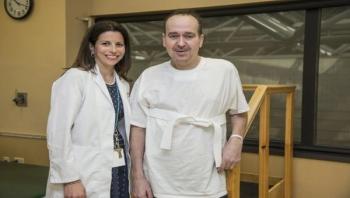
Like many people his age, Jerry Lucier, 54, of Northville, Mich. never got the flu shot. Then, in April, he almost died as a result of an H1N1 flu infection and was transferred by medical helicopter to the ECMO unit at Beaumont Hospital, Royal Oak, Mich.
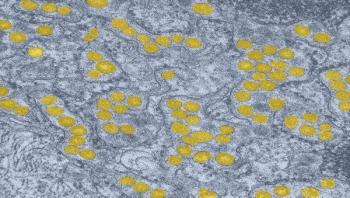
The delay between the time when a disease outbreak becomes possible and when it actually happens depends chiefly on how frequently infection is introduced to the population and how quickly the number of cases caused by a single individual increases, according to new research from the University of Georgia.


Advertisement
Advertisement
Trending on Infection Control Today
1
The World's Game, the World's Pathogens: Infection Prevention at the FIFA World Cup 2026
2
Pertussis Is Not Just a Childhood Disease: Why Lifelong Vaccination Matters More Than Ever
3
Diagnostics Take Center Stage in Ebola Response as Rare Bundibugyo Outbreak Expands
4