
News
Advertisement
Advertisement
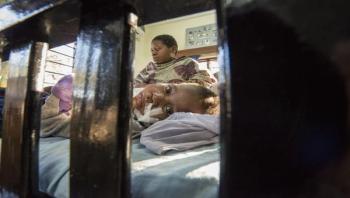
A Michigan State University researcher is challenging a widely held African belief that a spinal tap, a procedure safely used to treat other diseases, could suck the brain from the base of the skull and cause death in malaria patients.
Advertisement
During the trial and evaluation of a UV device for surface disinfection, healthcare professionals' due diligence must span a wide range of considerations. For example, any new device being considered for purchase and implementation in a healthcare organization should be evaluated for its cost effectiveness; healthcare professionals must investigate whether the technology has demonstrated a reduction in infection rates that justifies the cost associated with the purchase and maintenance of the device. Evaluators must identify the ongoing costs involved in the use, education and training for clinical products and equipment. In choosing advanced technologies, the length of treatment time is a key factor that should be considered when purchasing capital equipment, due to the potential economic impact in terms of staffing and labor costs in-volved.
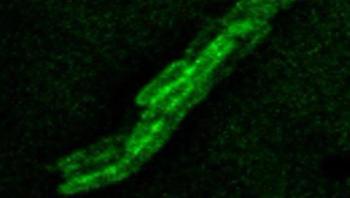
Research by bioscientists at the University of Kent and the University of Queensland is expected to pave the way for new approaches to kill bacteria that no longer respond to conventional antibiotics. In a paper published by Scientific Reports, Kent's Dr. Mark Shepherd and colleagues demonstrate the importance of an enzyme, cytochrome bd-I, for survival of E. coli that is resistant to multiple antibiotics.


Researchers at the University of Arizona and the University of Cambridge in the U.K. have reconstructed the origins of the AIDS pandemic in unprecedented detail.The findings were made possible by a molecular technique the team developed for this project, enabling them to recover genetic material from more than 40-year-old serum samples and decipher the gene sequence of the human immunodeficiency virus, or HIV, subtype that started the outbreak on the North American continent in the early 1970s. Phylogenetic analyses estimate the jump to the U.S. at about 1970 and place the ancestral U.S. virus in New York City, strongly suggesting this was the crucial hub from which HIV made its way across the continent.

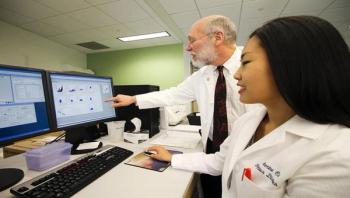
Saint Louis University Center for Vaccine Development researchers have identified a potential new target for vaccines that activates a part of the immune system not previously known to be protective against Chagas disease, tuberculosis and AIDS, as well as other diseases.

To help address the tough questions related to its inquiry into third-party servicing and refurbishment of medical devices, the Food and Drug Administration (FDA) scheduled a two-day public workshop for late October. Stakeholders are many and quite diverse, ranging from clinicians, patient safety managers and HTM professionals, to original equipment manufacturers (OEMs) and those aforementioned third-party firms; all of whom will be providing their perspectives on how to ensure patient safety while controlling costs in an environment where organizations vary in how they repair and generally maintain devices.
Advertisement
Advertisement
Trending on Infection Control Today
1
The World's Game, the World's Pathogens: Infection Prevention at the FIFA World Cup 2026
2
Pertussis Is Not Just a Childhood Disease: Why Lifelong Vaccination Matters More Than Ever
3
Diagnostics Take Center Stage in Ebola Response as Rare Bundibugyo Outbreak Expands
4