
News
Advertisement

The Standard Precautions concept in healthcare dictates that healthcare workers assess risk in advance of a patient interaction and use appropriate interventions such as barriers, hand hygiene, and/or surface disinfection, to address the risk and prevent becoming contaminated by the patient or the patient’s environment. This approach has generally been credited with helping hospital employees protect themselves from acquiring infectious agents on a daily basis. However, a growing body of research has called into question whether this approach is in fact adequate.
Advertisement
Advertisement


The medical field has known for almost 200 years that disinfecting hands saves lives by reducing the ability to carry disease. But even in 2016, global hand hygiene compliance remains shockingly low. At any given time, the World Health Organization (WHO) notes the presence of at least 1.4 million healthcare-associated infections (HAIs), even as the nonprofit accreditation body the Joint Commission has dubbed hand hygiene “the most important intervention for preventing HAIs.”
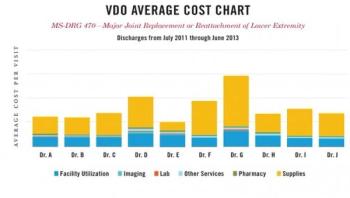
Bucking national trends, a new study shows that a program is making a difference in healthcare quality and cost. Developed by University of Utah Health Care (UUHC), the so-called value driven outcomes (VDO) program breaks down health procedure costs to the level of each bandage and minutes of nursing time, revealing variability that is otherwise hidden from view. After addressing inefficiencies exposed in three common procedures -- joint replacement, in-hospital laboratory testing, and sepsis management – patients fared better and costs fell by up to 11 percent. The results were published online in the Journal of the American Medical Association (JAMA) on Sept. 13.

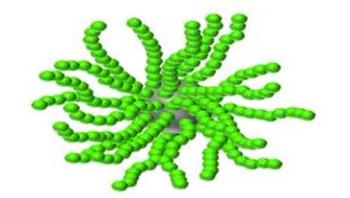
A study published today in Nature Microbiology holds promise for a new treatment method against antibiotic-resistant bacteria. The star-shaped structures, are short chains of proteins called peptide polymers, and were created by a team from the Melbourne School of Engineering.

If you get pneumonia, or even an infected cut, your body is now a war zone. And as your immune system battles the invading bacteria, the outcome of that war may hinge on a microscopic arms race based not on missiles or bombs, but on an essential element: iron. Now, scientists from the University of Michigan Medical School say they have figured out how that race for iron actually increases the risk we face from one of our most dangerous microscopic foes, Klebsiella pneumoniae. They made the discovery in mice with pneumonia.
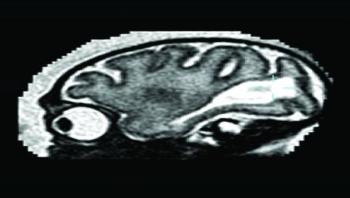
For the first time, abnormal brain development following a Zika infection during pregnancy has been documented experimentally in the offspring of a non-human primate. The researchers' observations of how Zika virus arrested fetal brain formation in a pigtail macaque could provide a model for testing therapeutic interventions.

Advertisement
Advertisement