News

People infected with Ebola virus were 20 percent more likely to survive if they were co-infected with malaria-causing Plasmodium parasites, according to data collected at an Ebola diagnostic laboratory in Liberia in 2014-15. Moreover, greater numbers of Plasmodium parasites correlated with increased rates of Ebola survival, according to a dozen collaborating research groups in the new study, published in Clinical Infectious Diseases. The survival difference was evident even after controlling for Ebola viral load and age. Scientists from the National Institute of Allergy and Infectious Diseases, part of the National Institutes of Health (NIH), led the project.

Working with Ministries of Health in Angola and the Democratic Republic of Congo, the World Health Organization (WHO) is coordinating 56 global partners to vaccinate more than 14 million people against yellow fever in more than 8,000 locations. The yellow fever outbreak has found its way to dense, urban areas and hard-to-reach border regions, making planning for the vaccination campaign especially complex.

Researchers have discovered that secondary infection with the methicillin-resistant Staphylococcus aureus (MRSA) bacterium often kills influenza patients because the flu virus alters the antibacterial response of white blood cells, causing them to damage the patients’ lungs instead of destroying the bacterium. The study, which will be published online August 15 ahead of issue in the Journal of Experimental Medicine, suggests that inhibiting this response may help treat patients infected with both the flu virus and MRSA.

Intestinal flora has multiple influences on human health, but researchers have revealed that it is also likely to have an effect on the body's response to drugs. Recent research from Kumamoto University in Japan strongly suggests that changes in the intestinal flora, caused by antibacterial and antibiotic drugs or individual differences between people, may have an effect on a person's response to drugs including side effects. The research focused on the changes in proteins due to the condition of intestinal flora that affect the response to drugs in the liver and kidneys.

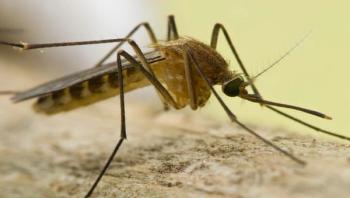
With Zika sparking anxiety at the Summer Olympic Games in Brazil, and now being transmitted in Florida through contact with mosquitoes, accurately mapping the distribution of the virus is increasingly urgent. Accounting for a host of often-overlooked drivers of transmission, a team of University of Kansas researchers has mapped Zika risk around the world with unprecedented resolution while considering more factors than previous models.