
News
Advertisement
Advertisement

Advertisement
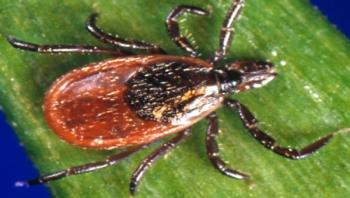
Dr. Lars Eisen and Marc Dolan of the Centers for Disease Control and Prevention (CDC) have reviewed decades of scientific literature on the effectiveness of various methods of preventing bites and controlling ticks that transmit Lyme disease. Their findings are published in the Journal of Medical Entomology.
Advertisement

Disease ecologists working in the Amazonian city of Iquitos, Peru, have quantified for the first time how a fever affects human mobility during the outbreak of a mosquito-borne pathogen. The findings were published by Proceedings of the Royal Society B.


Patients suffering from liver cirrhosis often die of life-threatening bacterial infections. In these patients the immune cells are unable to eliminate the bacterial infections. Scientist at the University of Bonn and TU Munich have now discovered that type I IFN released by immune cells due to increased migration of gut bacteria into the cirrhotic liver incapacitate the immune system. Based on their findings, such life-threatening infections can be contained by strengthening the immune response alone -- without antibiotics. The results have now appeared in the journal Gut.
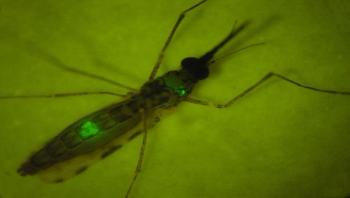
With nearly 3.2 billion people currently at risk of contracting malaria, scientists from the Institut Pasteur, the CNRS and Inserm have experimentally developed a live, genetically attenuated vaccine for Plasmodium, the parasite responsible for the disease. By identifying and deleting one of the parasite's genes, the scientists enabled it to induce an effective, long-lasting immune response in a mouse model. These findings were published in the Journal of Experimental Medicine on July 18, 2016.
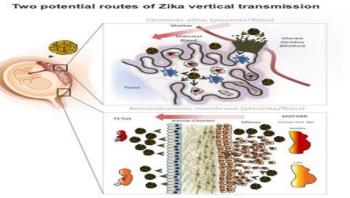
Zika virus can infect numerous cell types in the human placenta and amniotic sac, according to researchers at UC San Francisco and UC Berkeley who show in a new paper how the virus travels from a pregnant woman to her fetus. They also identify a drug that may be able to block it.

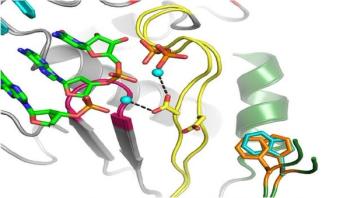
Colorado State University researchers led by Olve Peersen, a professor in the Department of Biochemistry and Molecular Biology, have designed a genetic modification to one type of coxsackievirus that strips its ability to replicate, mutate and cause illness. They hope their work could lead to a vaccine for this and other viruses like it.
Advertisement
Advertisement