
News
Advertisement
Advertisement
Advertisement
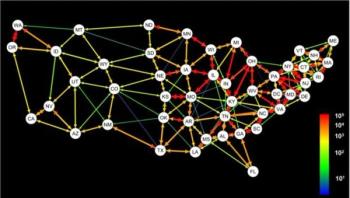
To predict how a seasonal influenza epidemic will spread across the United States, one should focus more on the mobility of people than on their geographic proximity, a new study suggests. PLOS Pathogens published the analysis of transportation data and flu cases conducted by Emory University biologists. Their results mark the first time genetic patterns for the spread of flu have been detected at the scale of the continental United States.

Infection prevention is a constantly changing field. Tremendous challenges face the infection preventionist (IP), including new emerging and re-emerging diseases, antibiotic resistant organisms, serious; often life-threatening diseases such as C. difficile, public reporting of healthcare-associated infections (HAIs), and the Centers for Medicare and Medicaid Services (CMS) policies to limit payment for hospital-acquired conditions and complications.

Infection Control Today invited manufacturers of personal protective equipment (PPE) and antimicrobial textiles to share their perspectives on key issues relating to pandemic preparedness as well as proper donning and doffing techniques.
Advertisement
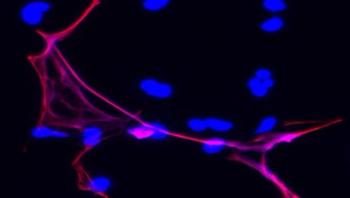
One of the body's tools for fighting off infection in a wound may actually slow down the healing process, according to new research by a team of Harvard University, Boston Children's Hospital, and Penn State University scientists. In a study published online in Nature Medicine on June 15, 2015, the researchers show that they can speed up wound healing in diabetic mice by preventing immune cells called neutrophils from producing structures called NETs (neutrophil extracellular traps) that trap and kill bacteria.



More than a month has passed since Ebola transmission ceased in Liberia. This hard-fought achievement is still being celebrated across the country, where nearly 11,000 people became infected with the virus and 4,800 died. Liberia is still urging communities not to let their guard down until Ebola is gone from the region. They are working closely with WHO and other partners to keep Ebola from reemerging.

Infants and children who are given prescription acid-reducing medications face a substantially higher risk of developing Clostridium difficile infection, a potentially severe colonic disorder. The findings, reported by Columbia University Medical Center (CUMC) researchers, suggest that pediatricians may do more harm than good by prescribing these drugs for children who have non-specific gastrointestinal symptoms such as occasional vomiting. The study was published recently in the online edition of Clinical Infectious Diseases.

Advertisement
Advertisement