News

Patient Safety Awareness Week, being celebrated March 8-14, 2015, is an excellent time to review current practice and identify weaknesses that need to be addressed. Nowhere is this more important than in the operating room (OR), where perioperative professionals and infection preventionists can collaborate to determine knowledge gaps and ways to mitigate and eliminate risk of infection and adverse events.

Vanderbilt University Medical Center (VUMC) in Nashville, Tenn. is making strides in addressing exposure of healthcare personnel to bloodborne pathogens (BBPs) through not only using safety-engineered sharp devices (SESDs) and other safe practices such as double-gloving, but also by maintaining a standardized system to examine requests for waiver from expected practices.

Every healthcare organization need supplies and tools to achieve high quality care, but patient safety resources can be a difficult goal to plan into a hospital budget. Though we tend to think of a hospital as the place where patients find care rather than dangers, patients do face risks inherent to a caregiving facility. To ensure patient safety, hospitals often purchase these five must-have supplies, tools and resources:

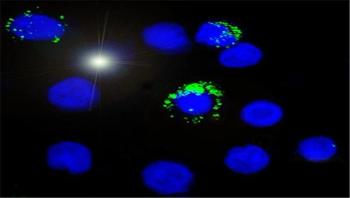
A good immune system relies on a key 'energy producing' protein in immune cells to develop immunity to vaccines and disease, an international team of scientists has found. The protein, called HuR (human antigen R) is critical for controlling metabolism in B cells, which make antibodies that are essential in fighting infections and in developing long-term immunity after vaccination.

To help the public better understand how measles can spread, a team of infectious disease computer modelers at the University of Pittsburgh has launched a free, mobile-friendly tool that lets users simulate measles outbreaks in cities across the country. The tool is part of the Pitt team’s Framework for Reconstructing Epidemiological Dynamics, or FRED, that it previously developed to simulate flu epidemics. FRED is based on anonymized U.S. census data that captures demographic and geographic distributions of different communities. It also incorporates details about the simulated disease, such as how contagious it is.