

Sean Norman, MS, PhD: “We know from the scientific literature that asymptomatic and symptomatic individuals both shed the virus through fecal material, which then works its way into the sewer system, and it can be captured as part of our sample.”
Sean Norman, MS, PhD: “We know from the scientific literature that asymptomatic and symptomatic individuals both shed the virus through fecal material, which then works its way into the sewer system, and it can be captured as part of our sample.”
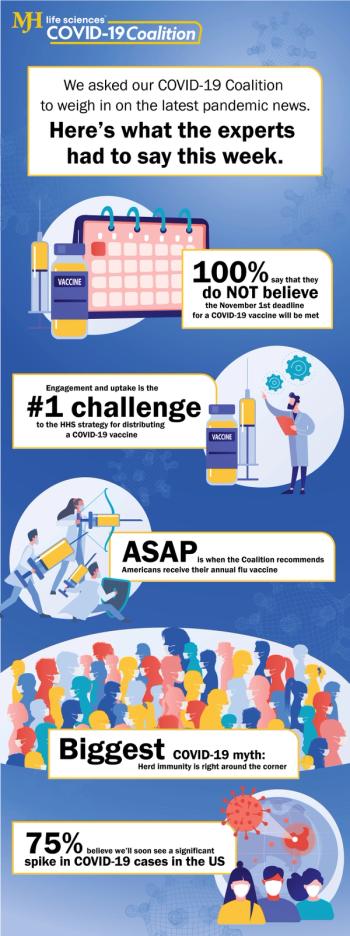
Coalition members also say that Americans should receive the flu vaccine as soon as possible, according to the graphic.

Ernest Grant, PhD: “Until we can see the light at the end of the tunnel, it’s very crucial that we look out for one another and make sure we address our mental health and emotional needs.”

The real impact of these recommendations are what they mean for aerosolization, outdoor gatherings of any type and food handling practices.
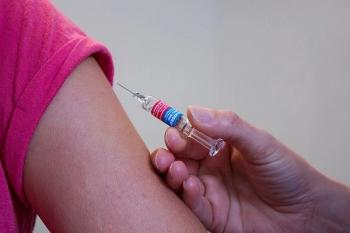
BJC Healthcare implemented a mandatory flu vaccination policy during the 2008-2009 flu season. Before the policy, about 70% of healthcare workers were vaccinated, according to the study. After the policy’s implementation, that immediately jumped to 98.4% the subsequent year.

The means of transmission of SARS-CoV-2 and the age group most likely to transmit the virus—people in their 20s—garnered headlines this week, as well as controversy for the CDC.
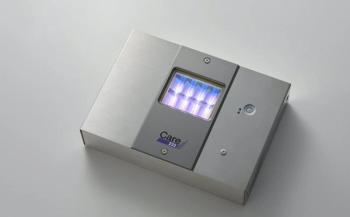
The Japanese company Ushio says that it will sell the Care 222 UV lamp to medical facilities first for about $2,800 a piece. The company also foresees the lamps being used on buses, trains, elevators, and offices.
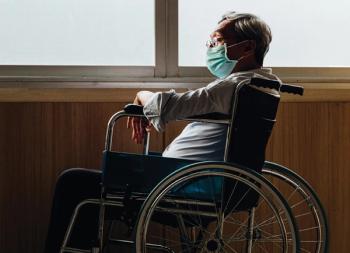
Cedric Steiner: “We had to address the ability to say good-bye to loved ones. A big guy, with tears in his eyes. He was so thankful that they had a place to go for their mother, because at the hospital they couldn’t see her. He wanted to give me a bear hug, but we did the ‘elbow thing’ instead.”
Sylvia Garcia-Houchins, MBA, RN, CIC: “I think initially, everybody said: ‘Oh, my gosh, we have a pandemic happening.’ It’s sort of a dead stop everywhere. And we’ve got to get ready. We’ve got to be prepared…. In many organizations at that point, the infection preventionist was really put into a position: Put my resources here? Put my resources there? I need to get a plan.”

Brent James, MD: “If you had an inpatient who developed an inpatient infection, it was like he got a console from ID in about three or four seconds. You just called up the program. You had to tell it the sites of infection you’re interested in, but then it did an epidemiologic evaluation of that patient.”
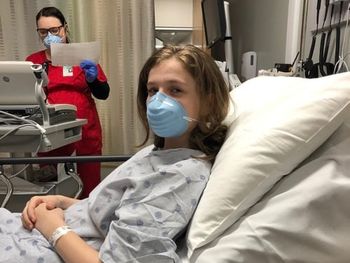
Most hospitals have implemented stringent visitor restrictions that don’t allow anyone to visit, even during end of life. While an understandable public health and infection prevention measure, it has generated some concern.
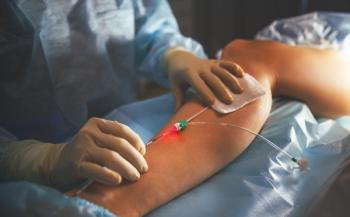
Although both vascular access and infection prevention have their own focus, our commonality is in ensuring patients get the care they need while minimizing their chances of nosocomial infections.
Patients afflicted with COVID-19 have an increased susceptibility to antibiotic resistant infections both from prolonged hospitalizations and the use of immunocompromising agents such as dexamethasone.

Kevin Kavanagh, MD: “I think you’ll find that infection preventionists in this type of climate are just not healthcare employed personnel. They need to be everywhere. They need to be in business. They need to be in schools. And, of course, they need to be in our healthcare system. But it is crucial to be in schools…”
Diversifying roles and creating support staff benefits the team by increasing the productivity of the department and providing a deeper bench so that IPs can focus on broader activities requiring specific subject matter expertise.
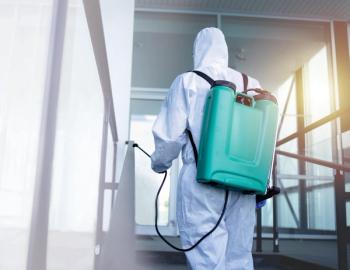
Infection preventionists should know that these technologies are available to add to their toolboxes of best cleaning and disinfection practices when they need them, but be aware of the caveats for their use.
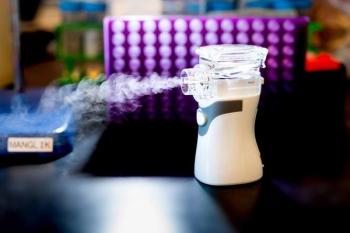
Peter Walter, PhD: “We think of AeroNabs as a molecular form of PPE that could serve as an important stopgap until vaccines provide a more permanent solution to COVID-19.”

Jonathan Iralu, MD: “We’ve dealt with small outbreaks, not a pandemic, but we were, in a sense, prepped to deal with the pandemic because we have had experience working with outbreaks…. We were used to collaborating with the state and the tribe on these other conditions. For COVID-19, we didn’t have to reinvent the wheel….”

The results of the study indicate that a closer working relationship between the antimicrobial stewardship program and the infection control team pays off in lower incidence of C. diff.
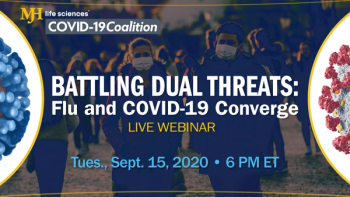
Join us for the inaugural MJH Life SciencesTM COVID-19 Coalition webinar event, “Battling Dual Threats: Flu and COVID-19 Converge,” featuring perspectives across virology and epidemiology.

As these healthcare worker serology studies are designed and performed, we need more insight beyond just PPE use and symptoms, but also internal and external exposures.
Jason Tetro: “There are going to be COVID-19 waves every year. What we hope is that that vaccine is going to be able to help us to be able to have that protection whenever those waves are hitting us.”
It is imperative that infection preventionists engage and combat this messaging on social media and wherever it occurs. To not do so, allows misinformation to fan the pandemic, placing all of our lives at risk.

Infection preventionists need to be able to articulate to those who feel that the young are safe just because their fatality rate is extremely low, that even in this age group there are major concerns regarding long-term consequences of this virus.

J. Hudson Garrett Jr., PhD, MSN, MPH: “I think the role of the infection preventionist has always been of the most critical importance. Every time we have an outbreak or, now, a pandemic, it highlights that further.”
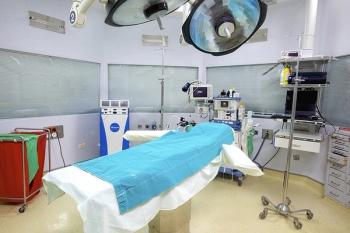
Melinda Benedict, MS, CIC, CFER: “I think for infection preventionists: If you’re not already involved in your endoscopy department or you haven’t been invited in, see if you can get in and just continue to check it out and see what’s going on, especially if the reprocessing and cleaning of the scope is actually done within that clinic.”

Anthony Harris, MD, MBA, MPH: “Really now it’s all about testing. How do we test? What scale do we test with? And, you know, what are the steps toward getting that access to the testing levels that we need necessary to mitigate risk?”
The case involves a 25-year-old Reno man who’d gotten mild symptoms of the disease in April but developed more severe symptoms when he got reinfected in mid-May.

Rebecca Leach, RN, BSN, MPH, CIC: “I’m a very strong vaccine proponent. I do believe in them, and I think they should be mandatory if you’re working in healthcare.”
The CDC released new guidance regarding recommendations for post-exposure COVID-19 testing. Here’s what this means for infection preventionists and public health.