
News
Advertisement

Advertisement

Scientists at the University of Liverpool have shown that a change in weather patterns, brought on by the El Niño of 2015, fueled the Zika outbreak in South America. The findings were revealed using a new epidemiological model that looked at how climate affects the spread of Zika virus by both of its major vectors, the yellow fever mosquito (Aedes aegypti) and the Asian tiger mosquito (Aedes albopictus).
Advertisement
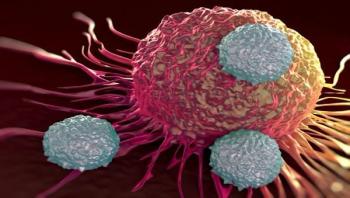
In a bid to better understand the gene expression patterns that control T cell activity, researchers at the La Jolla Institute for Allergy and Immunology mapped genome-wide changes in chromatin accessibility as T cells respond to acute and chronic virus infections. Their findings, published in the Dec. 20, 2016 issue of Immunity, shed light on the molecular mechanisms that determine the fate of T lymphocytes and open new approaches to clinical intervention strategies to modulate T cell activity and improve immune function.
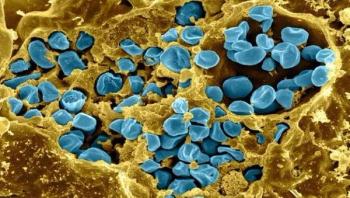
The virulent pathogen that causes the disease tularemia, or "rabbit fever," was weaponized during past world wars and is considered a potential bioweapon. Through a new study of the coccobacillus Francisella, Los Alamos National Laboratory researchers are working to use DNA markers to discern related but relatively harmless species as they are identified and to provide a means to distinguish them from the harmful F. tularensis.
Advertisement

Fungal infections are a serious health risk. They can be harmful especially to patients whose immune system is compromised through illness or chemotherapy. A team working at the Technical University of Munich (TUM) has discovered an important mechanism in the body's defenses against fungi. The discovery explains, among other things, why people with certain genetic variations are more susceptible to fungal infections.

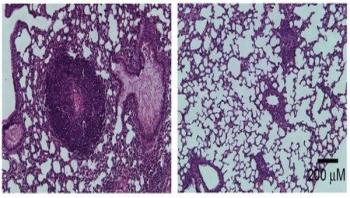
Defects in the body’s regulatory T cells cause inflammation and autoimmune disease by altering the type of bacteria living in the gut, researchers from The University of Texas Health Science Center at Houston have discovered. The study, “Resetting microbiota by Lactobacillus reuteri inhibits T reg deficiency-induced autoimmunity via adenosine A2A receptors,” which will be published online December 19 in the Journal of Experimental Medicine, suggests that replacing the missing gut bacteria, or restoring a key metabolite called inosine, could help treat children with a rare and often fatal autoimmune disease called IPEX syndrome.





Advertisement
Advertisement
Trending on Infection Control Today
1
Diagnostics Take Center Stage in Ebola Response as Rare Bundibugyo Outbreak Expands
2
Bug of the Month: More Than a Medieval Memory
3
Infection Control Today's June's Infection Prevention and Control Crossword Puzzle
4