
News
Advertisement

Researchers have found that Zika virus can live in eyes and have identified genetic material from the virus in tears, according to a study from Washington University School of Medicine in St. Louis. The study, in mice, helps explain why some Zika patients develop eye disease including a condition known as uveitis which can lead to permanent vision loss
Advertisement
Advertisement
Advertisement



In 2014, the susceptibility of gonococci to two of the recommended antibiotics for gonorrhea treatment has shown signs of improvement, according to results from the European Gonococcal Antimicrobial Surveillance Program (Euro-GASP). At the same time, a significant increase in resistance to another antibiotic agent that is part of the suggested dual therapy of gonorrhea was observed.


Researchers have made the first-ever detailed, atomic-level images of a peroxiredoxin, which has revealed a peculiar characteristic of this protein and might form the foundation for a new approach to antibiotics.
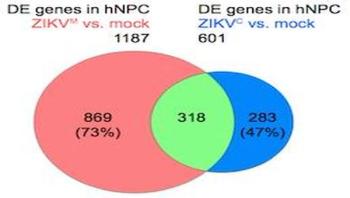
Scientists have revealed molecular differences between how the African and Asian strains of Zika virus infect neural progenitor cells. The results could provide insights into the Zika virus' recent emergence as a global health emergency, and also point to inhibitors of the protein p53 as potential leads for drugs that could protect brain cells from cell death.

Mass drug administration may have reduced malarial incidence during the 2014 Ebola outbreak in Liberia, according to a study published August 31, 2016 in the open-access journal PLOS ONE by Anna Kuehne from Epicentre, France, and colleagues.
Advertisement
Advertisement