News

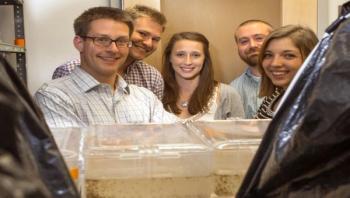
The very thought of them makes a person shudder - and scratch. Those bloodsucking bed bugs are endemic in every major city, and they're very hard to get rid of. A massive international research partnership - including the University of Cincinnati - has sequenced the entire genome of the common bed bug, uncovering several traits that also could reveal why they're so resistant to pesticides. The article is one of two papers sequencing the bed bug gene that is published this month in the journal Nature Communications.
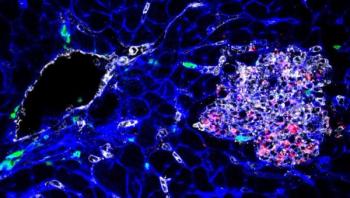
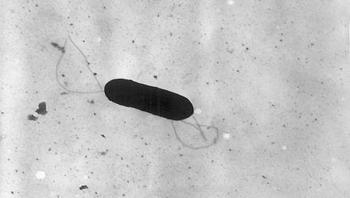
Researchers from the Institut Pasteur, Inserm, CNRS and Paris Descartes - Sorbonne Paris Cité University recently published a large-scale study in Nature Genetics based on almost 7,000 strains of Listeria monocytogenes -- the bacterium responsible for human listeriosis, a severe foodborne infection. Through the integrative analysis of epidemiological, clinical and microbiological data, the researchers have revealed the highly diverse pathogenicity of isolates belonging to this bacterial species. Comparative genomics led them to discover new virulence factors, which were demonstrated experimentally as involved in cerebral and fetal-placental listeriosis. In addition, this research points to the importance of using new reference strains, which are representative of the hypervirulent lineages identified here, for experimental research on Listeria monocytogenes pathogenesis.

Listeria bacterium found in food, which can infect people and cause temporary gastro-intestinal distress, is a serious health risk for pregnant women and for people with compromised immune systems. According to a dissertation from Umea University in Sweden, the bacterium, which sometimes causes the lethal illness listeriosis, reacts to light by activating defense mechanisms.

Today, WHO held its first meeting of the International Health Regulations (2005) Emergency Committee on Zika virus and the observed increase in neurological disorders and neonatal malformations known as microcephaly.

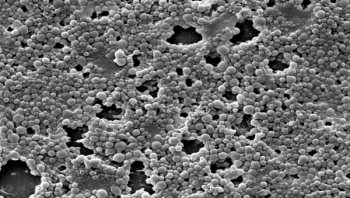
Biofilms, or colonies of bacteria growing on surfaces and medical devices, can inflict intractable or recurring disease. During colonization, biofilms develop characteristics and behaviors more dangerous and powerful than those of planktonic (singleton) bacteria. In fact, these insidious microscopic collectives could be regarded as biological case studies in “strength in numbers” as they unify against external assault, resisting the host immune response as well as antimicrobials, and exact their high human and fiscal costs. Puzzlingly, although biofilms are a ubiquitous, well documented cause of infection, they receive only a modicum of the attention they clearly merit.

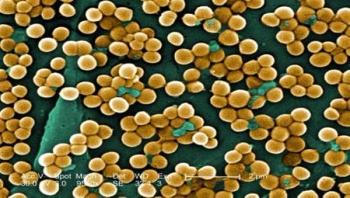
Screening patients for methicillin-resistant Staphylococcus aureus (MRSA) has become a controversial topic causing heated debate. In fact, many healthcare professionals consider the question of whether to test patients for MRSA before admission to be one of the most compelling issues in modern healthcare.