
News
Advertisement
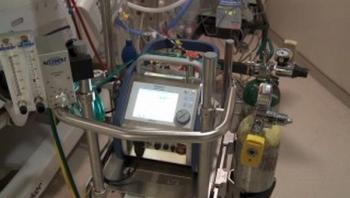
Physicians at the University of Alabama at Birmingham are employing a technology known as ECMO as a last-resort therapy for extremely severe cases of influenza. ECMO, short for extracorporeal membrane oxygenation, is a sort of portable heart/lung bypass machine.
Advertisement
Advertisement
Advertisement


Advertisement
Advertisement
Trending on Infection Control Today
1
How to Teach Staff to Think Like an Infection Control Preventionist
2
APIC 2026: How Active Surveillance and Genomic Sequencing Helped Control a NICU CLABSI Outbreak
3
From Exposure Event to Action Plan at APIC 2026: Providence Develops Playbook for Managing Large-Scale Patient Notifications
4
New Bourbon Virus Case Highlights a Rare Tickborne Disease Many Clinicians May Miss
5