
News
Advertisement
Advertisement
Advertisement
Advertisement
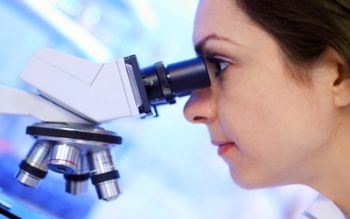
To understand where clinical microbiology is going in the future, it's helpful to take a quick trip back in history. Years ago, the Study on the Efficacy of Nosocomial Infection Control project established the scientific basis for claims of efficacy of hospital-acquired infection surveillance and control programs, and the importance of clinical microbiology laboratories (CMLs) was emphasized. (Scheckler, 1998).
The meaning of the standard fecal coliform test used to monitor water quality has been called into question by a new study that identified sources of Escherichia coli bacteria that might not indicate an environmental hazard.
Advertisement
Advertisement
Trending on Infection Control Today
1
SHEA 2026: Alexander Sundermann, DrPH, Explains How Whole Genome Sequencing Reveals Hidden HAI Transmission and Ethical Challenges in Patient Notification
2
Bugs on Gloves: When Barriers Become Carriers of Infection-causing Microorganisms
3
AORN 2026: Colleen Becker, PhD, on Why Nursing Education Must Evolve as a Science
4
Clean Bite: No Time for April Foolin’ With PPE
5