Missed opportunities, Graves warned, place patients at risk. Many surgical patients are immunocompromised, and a stethoscope may come near the incision. “Regardless of the scenario, [cleaning the stethoscope] each time is going to protect patients.”

Missed opportunities, Graves warned, place patients at risk. Many surgical patients are immunocompromised, and a stethoscope may come near the incision. “Regardless of the scenario, [cleaning the stethoscope] each time is going to protect patients.”

Stethoscope hygiene, UV technology, and dwell time failures took center stage in this second installment of a panel of experts explored why routine disinfection still lags and what must change in clinical practice.

This is the second of a 2-part conversation with CDC epidemiologist Danielle Rankin, PhD, MPH, CIC. In this installment, she dives into practical infection prevention strategies, surveillance challenges, and the urgent need for mechanism-specific testing as NDM-CRE surges in US health care settings.

This is the first of a 2-part conversation with CDC epidemiologist Danielle Rankin, PhD, MPH, CIC. In this installment, she unpacks her study about the urgent rise of NDM-CRE and what infection preventionists need to know now.

Infection prevention starts long before exposure; it begins with what we put into our bodies. This article series explores how key vitamins and nutrients like D, C, zinc, and more can strengthen immune defenses, reduce respiratory illness severity, and empower infection preventionists with evidence-based strategies to support overall health from the inside out.

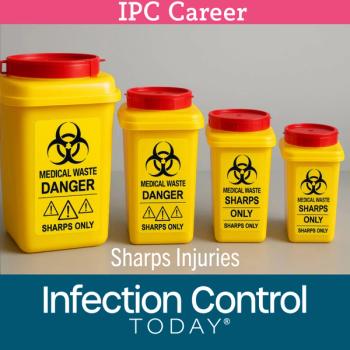
Sharps injuries remain a silent but serious threat in health care that infection preventionists are uniquely equipped to confront. With underreporting widespread and safety devices underused, it’s time for IPs to step into a leadership role, using their expertise in systems thinking, education, and policy to build a culture where staff protection is as prioritized as patient care.

Sharps safety isn’t just an operating room issue—it’s a system-wide concern that demands stronger policies, consistent reporting, and cross-departmental collaboration to truly protect health care workers.

Despite decades of progress in health care safety, a quiet but dangerous culture still lingers: many health care workers remain afraid to report sharps injuries, fearing blame more than the wound itself.