




COVID-19
Latest News
Advertisement
Latest Videos







CME Content

Advertisement
More News
The 2024 surge in infectious diseases like mpox, measles, and meningitis demands a paradigm shift in control strategies, emphasizing expanded expertise, improved airborne precautions, and rethinking cost-effectiveness in healthcare to prevent future outbreaks and protect public health.
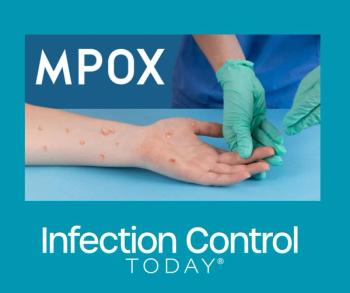
As infectious diseases resurge in 2024, this article explores how IPs can manage outbreaks, allocate resources, use technology for surveillance, and collaborate with senior leaders to ensure business continuity and patient safety in health care settings.
A recent National Institutes of Health study reveals that routine lab tests are ineffective for diagnosing long COVID, highlighting the urgent need for novel biomarkers to identify and treat the condition accurately.

Infection Control Today® speaks with the 2023 Infection Control Today’s Educator of the Year Award™ winner, Sharon Ward-Fore, MS, MT,(ASCP), CIC, FAPIC

Communal dining in LTC facilities enhances social interaction and nutrition but requires infection prevention measures to protect residents from risks like gastrointestinal and respiratory infections.

Balancing personal struggles and professional responsibilities during crises requires self-awareness, self-compassion, healthy boundaries, and support networks. Embrace these strategies to navigate and overcome challenges.
The June 3, 2024, House Oversight Committee questioned the efficacy of the six-foot social distancing rule, highlighting its benefits and limitations in preventing the spread of COVID-19.
In a follow-up to Infection Control Today's (ICT's) article on the CDC's Antimicrobial Resistance Threats in the US 2021-2022 release, Michael Craig, MPP, director of CDC's Antimicrobial Resistance Coordination and Strategy Unit, answers ICT's questions.
The CDC reports today of a 20% increase in antimicrobial-resistant infections during COVID-19, in the years of 2021-2022, highlighting the need for ongoing prevention and updated estimates starting in 2025.

A new model demonstrates optimal testing strategies for reducing disease transmission, highlighting pathogen-specific recommendations and the importance of human behavior in effective diagnosis and isolation.

The CDC and the National Foundation for Infectious Diseases (NFID) discuss the evolving summer COVID-19 season and strategies for prevention.

William Shutze, MD, FACS, discusses how infection prevention impacts vascular health, emphasizing key strategies and the role of vascular surgeons in maintaining vascular well-being.
June is CMV Awareness Month, and infection preventionists are urged to focus on transmission, symptoms, and prevention of this widespread yet often overlooked viral infection.
Recent medical advances include RNA vaccine technology, enhanced understanding of immune dysregulation, improved inter-specialty communication, deeper insights into inflammation, and recognition of biological complexity.
Nature Communications published the results of a study on ARCT-154, CSL’s sa-mRNA COVID-19 vaccine. The study showed that it is well-tolerated, immunogenic, and effective against multiple strains.
Alcohol-Based Hand Sanitizers Ineffective Against Norovirus: Effective Alternatives and Infection Control Strategies
Published: | Updated:
Alcohol-based hand sanitizers do not protect against norovirus, a highly contagious virus. Effective alternatives like hypochlorous acid-based sanitizers are crucial for better infection control.
Hadassah Medical Organization's pooled saliva testing for newborns effectively screens for congenital cytomegalovirus, identifying asymptomatic cases and potentially reducing severe cognitive and auditory problems globally.
Setting boundaries becomes crucial as health care workers face rising demands and burnout. Learn practical strategies to protect mental well-being and prevent burnout in the workplace.
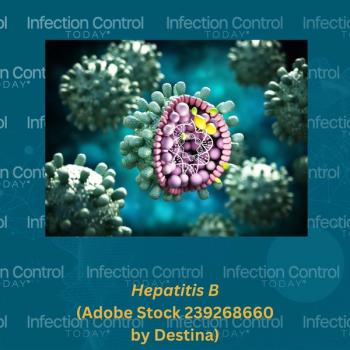
Health care has an unmet need for the treatment of herpesviruses, hepatitis B, and hepatitis D, which would enhance patient outcomes. What should be done, and what challenges do companies that are trying to develop treatments face?
Opinion: Kevin Kavanagh, MD, examines a summary of studies on how COVID-19 may damage the brain's frontal lobes, alter personality traits and cognitive functions, and potentially reshape society's dynamics.
Amid escalating multidrug-resistant organism threats, hospitals face business risks and patient trust erosion, necessitating improved cleaning and infection prevention practices.

The role of infection preventionists (IPs) has evolved significantly over 75 years, from early surveillance of nosocomial infections to becoming data-driven experts navigating pandemics like COVID-19.
Media in the US presents AI as both beneficial and risky. Positive coverage shows AI's potential through virtual assistants like Siri, while cautionary tales warn of misuse like misinformation and deepfakes. How does all this work in health care?

Anne Meneghetti, MD, highlights the misconceptions that drive individuals to seek antibiotics for common colds sooner than necessary.
In the ongoing fight against COVID-19, the FDA has granted Emergency Use Authorization for Pemgarda, a COVID-19 infusion drug. Read on for more.
Advertisement
Advertisement
Trending on Infection Control Today
1
What Is Shamonda Virus? First Human Case in France and Implications for Infection Prevention
2
From Isolation to Contact Tracing: Kenya’s Ebola Response Offers Lessons for IPs
3
IDWeek 2026: John Rex Discusses Antifungal Innovation and Career Connections
4
IDWeek 2026: ICU Study Finds Lower Glove Bioburden With PostCare Alcohol Application
5